Japan has spent decades polishing one of the modern world’s tidiest security slogans: don’t own them, don’t make them, don’t let them in. The Three Non-Nuclear Principles sound like a household rule written by a very firm grandmother — clear, memorable, and slightly terrifying if you break them.
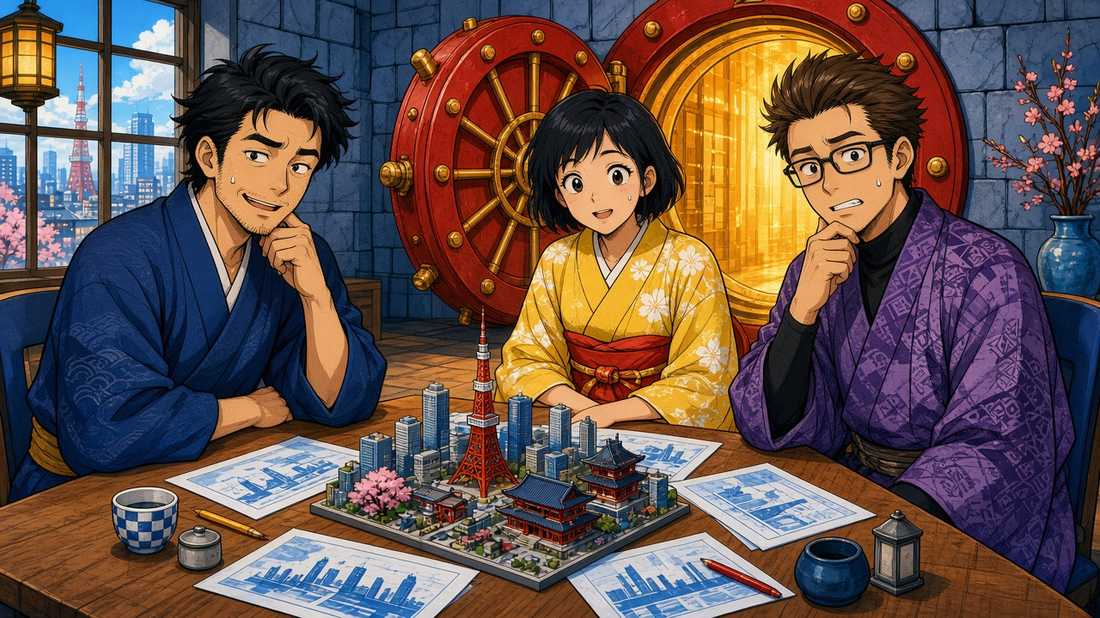
Now Tokyo is eyeing a small renovation. Not a demolition. Not a neon rewrite. Just… a side door. Reports suggest that an updated National Security Strategy could spell out an emergency exception: nuclear weapons might be allowed into Japan in a crisis, while the three principles themselves are kept on the mantelpiece like a family heirloom that still gets dusted every Sunday.
It is the geopolitical equivalent of hanging a sign that says “Absolutely no overnight guests,” then adding a footnote: “Unless the guests are extremely important and the house is on fire.”
Principles that stay, doors that open
The principles date back to the late 1960s and have long been treated as both moral compass and political shield. Japan remains the only country to have suffered nuclear attack in war, and that history is not a decorative plaque — it is a living argument. Keeping “not possess, not produce, not introduce” in official language still matters to a lot of people, including survivors’ groups who hear any wobble as a betrayal of memory.
At the same time, Japan sits under the U.S. nuclear umbrella and shares a neighborhood that has grown louder, not quieter. North Korea’s arsenal is not a theoretical crossword clue. China’s military rise is not a podcast plot twist. So strategists keep asking an awkward question: if extended deterrence is supposed to work in a real emergency, can the “no introduction” rule stay absolute without turning the umbrella into a decorative parasol?
One long-running answer — floated in Diet debate years ago and quietly echoed since — is that an emergency could force a temporary exception, especially something like a port call by a nuclear-armed U.S. vessel. The new twist is less about inventing that idea than about writing it more explicitly into a security document, so the exception is not merely a whispered parliamentary maybe.
The comedy of careful contradiction
There is something almost literary about the move. Keep the principles. Add the emergency lane. Promise continuity while drafting contingency. It is politics as origami: fold the paper until “never” and “unless” share the same crease.
Critics will say a principle with a trapdoor is not a principle; it is a slogan with luggage. Supporters will say deterrence that cannot arrive when needed is not deterrence; it is wishful stationery. Both sides can quote history and both sides can sound sincere. That is how you know the argument is serious.
None of this means Japan is suddenly shopping for its own warheads. The debate, as framed in recent reporting, is narrower and stranger: keep the three non-nuclear commandments on the books, while making room — on paper — for nuclear entry in the worst case. The strategy documents due for refresh are expected to walk that tightrope carefully, because public memory and alliance mechanics rarely enjoy the same dance music.
So here we are: a country famous for nuclear restraint, considering how to keep saying “no” while preparing a polite, emergency-only “yes.” If diplomacy had a sitcom laugh track, this would be the episode where everyone insists the rules have not changed — right as someone quietly oils the hinges on the red door.
Whether that door ever opens is another story. For now, Japan is mostly debating the architecture of the doorframe. And in security politics, sometimes the frame is the message.
日本は数十年にわたり、「核兵器を持たず、作らず、持ち込ませず」という、現代世界において最も端正な安全保障スローガンの一つを磨き上げてきた。この「非核三原則」は、厳格な祖母が決めた家訓のようだ。明快で覚えやすく、破れば少し恐ろしい結果が待っている――そんな響きがある。
今、日本政府はこの原則に、全面的な撤廃や劇的な書き換えではなく、いわば「勝手口」を設けるような、小規模な修正を検討している。報道によれば、改定される国家安全保障戦略において、緊急時の例外規定が明記される可能性があるという。つまり、危機に際しては核兵器の持ち込みを容認しつつも、非核三原則そのものは、毎週日曜日に埃を払って大切に手入れされる家宝のように、そのまま残しておくというものだ。
これは地政学的に言えば、「宿泊客は一切お断り」という看板を掲げながら、その下に「ただし、極めて重要な客であり、かつ家が火事になっている場合は例外とする」という注釈を付け加えるようなものだ。
原則は維持しつつ、扉は開く
非核三原則は1960年代後半に遡るもので、長らく道徳的な指針であると同時に、政治的な盾としても機能してきた。日本は戦争で核攻撃を受けた唯一の国であり、その歴史は単なる記念碑的な飾りではなく、今なお説得力を持つ「生きた主張」である。「持たず、作らず、持ち込ませず」という文言を公式な方針として維持することは、多くの人々にとって今も重要な意味を持つ。被爆者団体などにとっては、この方針が少しでも揺らぐことは、過去の記憶に対する裏切りと映るからだ。
その一方で、日本は米国の「核の傘」の下にあり、周辺環境は静まるどころか、むしろ騒がしさを増している。北朝鮮の核戦力は、単なる理論上のパズルのような話ではない。中国の軍事的な台頭も、物語の意外な展開といった類のものではない。そのため、安全保障の専門家たちは、ある厄介な問いを突きつけ続けている。もし「拡大抑止」が現実の緊急事態において機能すべきものだとするなら、「核を持ち込ませない」という原則を絶対的なものとして維持し続けた場合、それは「核の傘」を単なる「飾り物」に変えてしまうことにならないだろうか、と。
長年議論されてきた一つの答え――かつて国会で提起され、その後もひそかに語られてきた考え方――がある。それは、緊急事態においては一時的な例外を認めざるを得ないかもしれない、というものだ。具体的には、核兵器を搭載した米軍艦船が日本の港に寄港するようなケースが想定されている。今回の新たな展開は、そのアイデアを新たに生み出すというよりも、安全保障文書にそれをより明確に書き込むことにある。つまり、例外規定は単なる議会でのささやき声ではないということだ。
巧妙な矛盾の喜劇
この動きには、どこか文学的な趣がある。原則は維持しつつ、緊急時対応策を盛り込む。継続性を約束しながら、同時に不測の事態への対応策を策定する。まるで折り紙のような政治だ。「決して~ない」と「~でない限り」が同じ折り目になるまで紙を折る。
批判者は、落とし穴のある原則は原則ではなく、荷物を積んだスローガンだと言うだろう。支持者は、必要な時に実現できない抑止力は抑止力ではなく、単なる願望の文房具だと言うだろう。両者とも歴史を引用し、両者とも真剣な口調を装うことができる。だからこそ、議論が真剣なものだとわかるのだ。
しかし、だからといって日本が突然自国の核弾頭を買い求めるようになったわけではない。最近の報道で取り上げられている議論は、より狭く、より奇妙な様相を呈している。すなわち、非核三原則を維持しつつ、最悪の事態に備えて核兵器使用の余地を(文書上は)残しておくというものだ。改訂を控えた戦略文書は、この綱渡りを慎重に進めることが求められるだろう。なぜなら、国民の記憶と同盟関係の仕組みは、めったに同じリズムで踊らないからだ。
つまり、核抑制で知られる国が、いかにして「ノー」と言い続けながら、礼儀正しくも緊急時のみの「イエス」を準備するかを模索している状況だ。外交に笑い声のトラックがあるとすれば、これはまさに、皆がルールは変わっていないと主張する一方で、誰かが静かに赤い扉の蝶番に油を差す、といった場面だろう。
その扉が実際に開くかどうかはまた別の話だ。今のところ、日本は主に扉枠の構造について議論している。そして安全保障政治においては、時に扉枠そのものがメッセージとなるのだ。