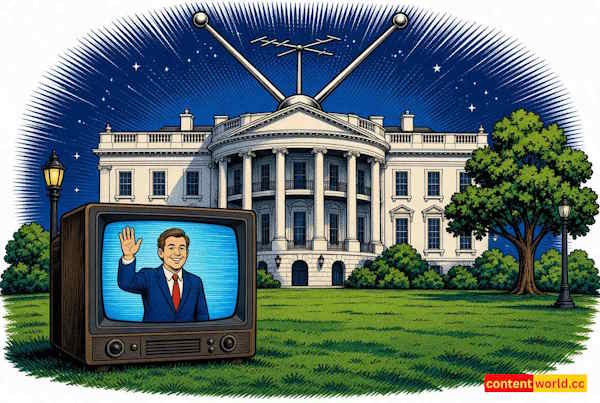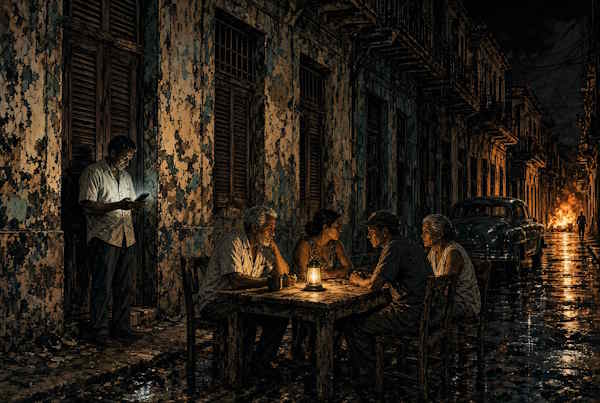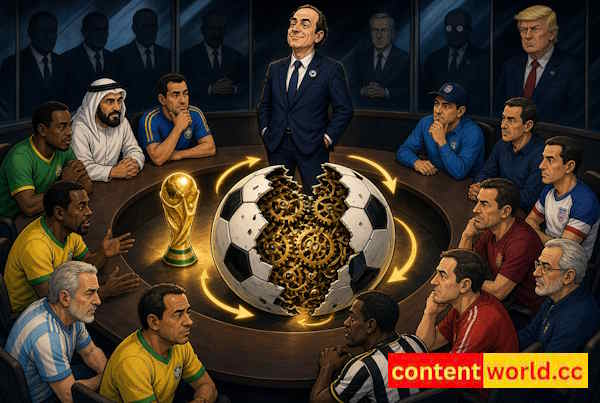
The Balkan press is trapped in a toxic, never-ending loop. Three themes consume almost everything else, recurring like a mantra: chaotic domestic politics—marked by street protests and electoral battles—a deep rift with the EU and the West, and the persistent, haunting specters of the ethnic nationalism of the 1990s.
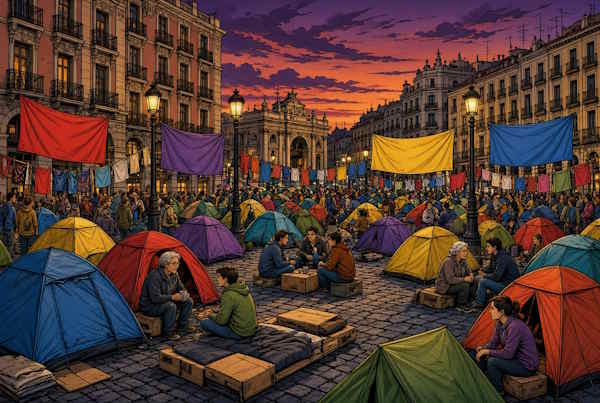
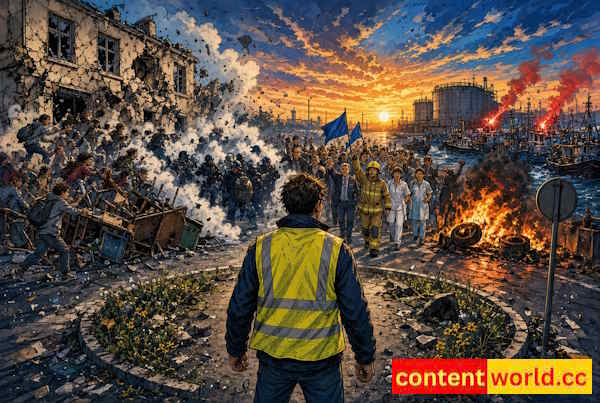
In Serbia, headlines are dominated by ongoing protests following the deadly railway station collapse in Novi Sad, as well as the upcoming elections on October 25. Pro-government media outlets often portray the protest movement as a foreign conspiracy, while critical voices point to corruption and a lack of accountability.
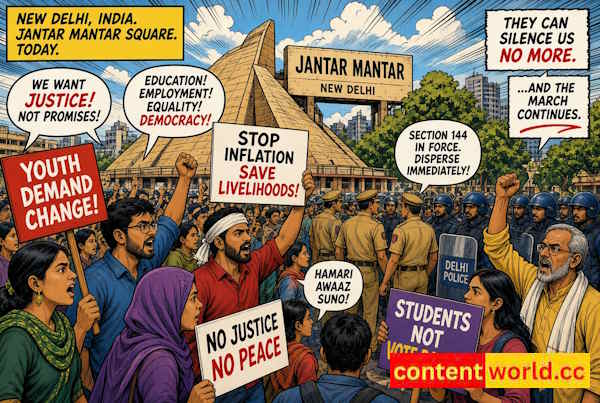
Meanwhile, in Albania, tensions are flaring: students are clashing with police in the streets, demanding the resignation of Prime Minister Edi Rama. In Bosnia and Herzegovina, the aftermath of the October elections continues to unfold, accompanied by power struggles over the country’s constituent entities. Across the region, the tone is set by whoever currently holds power—or by those threatening to seize it.
At the same time, the issue of EU enlargement has become a battleground. In much of the Serbian, Bosnian-Serb, and Montenegrin media, Brussels is depicted as arrogant, weak, or outright hostile. Anti-NATO and pro-Russian narratives—intertwined with the war in Ukraine—are used to frame every progress report as evidence of “double standards.” The question of geopolitical orientation—toward the West, or rather toward Moscow and Beijing—remains the central dilemma.
The third pillar is a perpetual historical conflict. The legacy of the 1990s—including Srebrenica, war crimes, and the contentious roles of victims and perpetrators—is frequently dredged up, as are the ongoing tensions between Serbia and Kosovo, or between Serbia and Croatia. Migration and the presence of “outsider” groups serve as convenient catalysts for ethnic mobilization. These narratives tend to flare up, particularly around anniversaries or regional agreements.
Issues such as corruption, poverty, and the state of media freedom itself are also part of the discourse, though they are generally subordinated to the three major blocs. Pro-government media outlets drive polarization, while independent outlets attempt to provide a counter-narrative. The result is a region whose press primarily recycles the old and the crisis-ridden—rarely the new.
contentworld – SI gen – stories & news & daily freshest content for you!