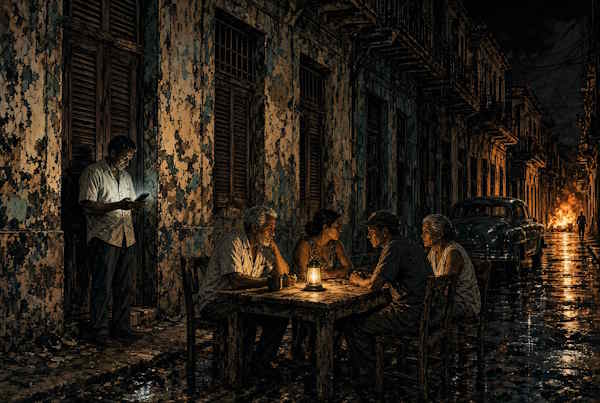
On October 5, 2026, Spanish Prime Minister Pedro Sánchez called a snap election for November 29, 2026. This move is a direct response to the parliamentary deadlock facing his left-wing minority government, following the crushing defeat of his emergency decrees addressing the severe housing crisis in parliament on October 2. Sánchez is thus taking a bold step forward to break the paralyzing political stalemate and seek a broader progressive majority.
What happened today in Spain?
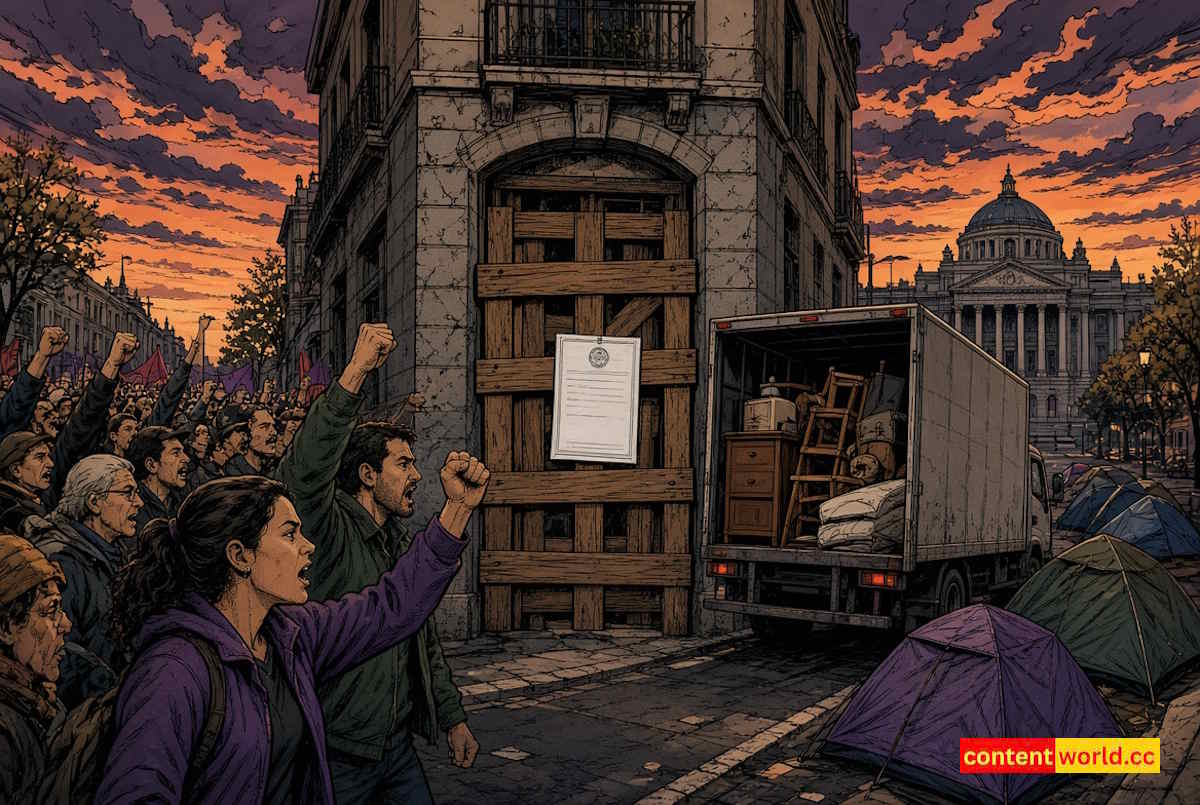
The trigger was Friday’s defeat. Two decrees aimed at addressing the housing crisis failed in Congress: an eviction moratorium extending to 2030, a measure to automatically convert fixed-term leases into open-ended ones, and a ban on real estate transactions involving so-called “vulture funds.” The PP, Vox, and the Catalan party Junts voted against them. On Monday, Sánchez spoke of the need for a “broader progressive majority” to overcome resistance from the elites and framed the election as a stand against the “far-right wave.” PP leader Alberto Núñez Feijóo and Vox leader Santiago Abascal welcomed the election date. A cabinet meeting is set to dissolve parliament.
The decrees were prompted by nationwide protests sparked by the eviction of an 87-year-old woman in Madrid whose rent had surged from €500 to €2,650. Housing consistently ranks at the top of voters’ concerns in opinion polls.
The deadlock was real
Sánchez has been in power since 2018, with the current legislative term beginning after the July 2023 election. The PSOE and the left-wing alliance Sumar do not hold an outright majority. The government relied on regional parties—most notably the seven votes held by Carles Puigdemont’s Junts party. About a year ago, Junts shifted to the opposition. Since then, hardly any major legislative initiatives have managed to pass. The last regular budget dates back to 2023. Spain has been governed via provisional budget arrangements and decrees rather than a standard legislative program. Office and power became decoupled: Sánchez remained Prime Minister but was unable to push through either a budget or structural reforms. This is the state of paralysis that the new election is intended to end.
Additional burdens on the government
Alongside this legislative deadlock, several legal proceedings are underway—cases Sánchez describes as politically motivated, while the opposition portrays them as evidence of systemic failure.
- In June, former Transport Minister and PSOE organizer José Luis Ábalos was sentenced to 24 years in prison for accepting bribes related to face-mask procurement during the pandemic (the “Koldo affair”). Further investigations concern public contracts and alleged party financing.
- His wife, Begoña Gómez, faces charges including influence peddling and embezzlement; she denies the allegations.
- His brother, David Sánchez, was barred from holding public office; that case is currently under appeal.
- In May, police raided the PSOE headquarters in Madrid.
Added to this, over the summer, was the situation in the enclave of Ceuta: tens of thousands of people crossed the border from Morocco within just a few days. Reception facilities, public order services, and the healthcare system were overwhelmed. Documents released later indicated that authorities had warned of such a wave.
The economic picture is more mixed. Sánchez points to growth, employment figures, and Spain’s relative strength within the Eurozone. However, the cost of living—particularly rents in major cities and tourist regions—has politically eroded the benefits of this economic performance.

What the polls in Spain say
Private polling institutes show the right-wing camp clearly in the lead. A 40dB poll conducted last week for *El País* and Cadena SER showed the PP at 31.6 percent, the PSOE at 27.4 percent, and Vox at 18.4 percent. An average of eight recent polls (via *Olive Press*) puts the PP at around 33 percent, the PSOE at 26 percent, and Vox at 18 percent, with Sumar at around 6 percent. Seat projections for a PP-Vox alliance hover around 200 of the 350 parliamentary seats; an absolute majority requires 176.
The state-run CIS—traditionally closer to the Socialists—had recently still shown the PSOE in the lead. However, this matters less for the formation of a government: there is no “firewall” against Vox. The PP and Vox are already governing together in Andalusia, Castile and León, Aragon, and Extremadura. An election victory for the Right would bring a far-right party into the central government for the first time since the end of the Franco dictatorship.
The left-wing camp is also fractured. Sumar and Podemos are polling separately in the low single digits. Meanwhile, the regional parties—without whom Sánchez could not have been invested as Prime Minister in 2023—would lose their leverage in this scenario.
Will new elections break the deadlock in Spain?
Partially, and only in one direction. A PP-Vox majority of around 200 seats would be capable of action regarding the budget, immigration, and housing (focusing on supply rather than rent caps). This would end the reliance on Junts, ERC, and Bildu. Whether this translates into stable policy depends on the coalition agreement. Vox wants a harder line on migration, regional autonomy, and cultural issues; the PP must reconcile this with its more moderate voters and its European partners.
Based on the current figures, a renewed left-wing minority cabinet is unlikely. Even if Sánchez successfully mobilizes voters around the housing issue, he would need to turn the polls around by several points and then securing the support of parties whose price was, ultimately, the amnesty for Catalan separatists. It is precisely this arrangement that has paralyzed the legislature.

In short: the deadlock is no accident, but the result of a minority government lacking both a budget and reliable partners—a situation exacerbated by corruption investigations and the housing crisis. The snap election on November 29 is an attempt to break the stalemate. As things stand, it is more likely to resolve the situation through a change of power than through a renewed left-wing majority.
 contentworld AI gen
stories & news & daily freshest content for you!