Vietnam 2026: Where Timeless Heritage Powers a New Economic Rise
In Vietnam, weathered pagodas and fishing hamlets sit within reach of scooter-jammed boulevards and high-tech plants. Its identity draws on Chinese influence, a French colonial legacy, and deep homegrown customs. Yet it is far more than a holiday hotspot: an expanding economy, a strategically significant political position, a varied population, and a fast-growing education sector are lifting Vietnam into the ranks of Asia’s more influential nations.
1. A Cultural Identity Unlike Its Neighbors
Though in Southeast Asia, Vietnam bears a stronger East Asian imprint.
- Deep Chinese Connections: Confucian thought and Mahayana Buddhism, shared with China, still shape family relationships, the value placed on learning, and social ideals.
- An Unusual Writing System: Unlike China, Japan, and Thailand, Vietnam writes with a Latin-based alphabet, Quốc ngữ, born from 17th-century missionary efforts and later standardized.
- French Influence Everywhere: Baguettes, French-style architecture, and a thriving café scene have become ordinary fixtures of Vietnamese life.
2. From Misty Mountains to Tropical Beaches
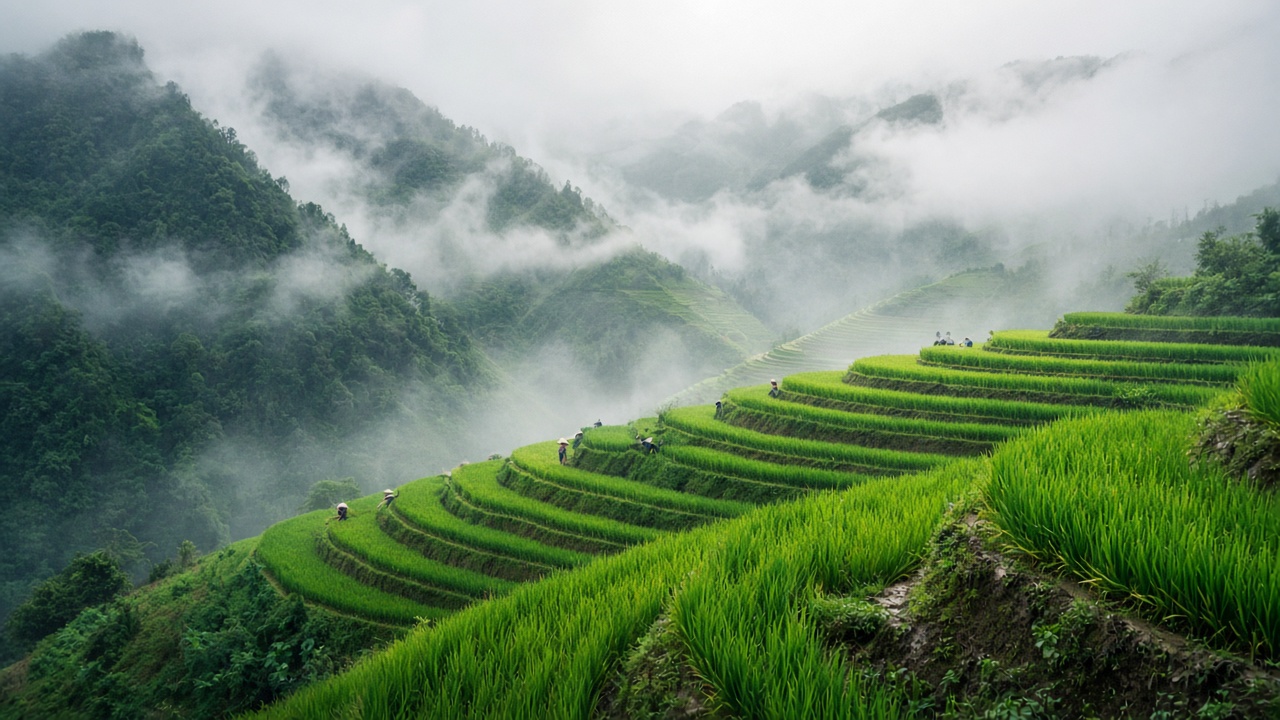
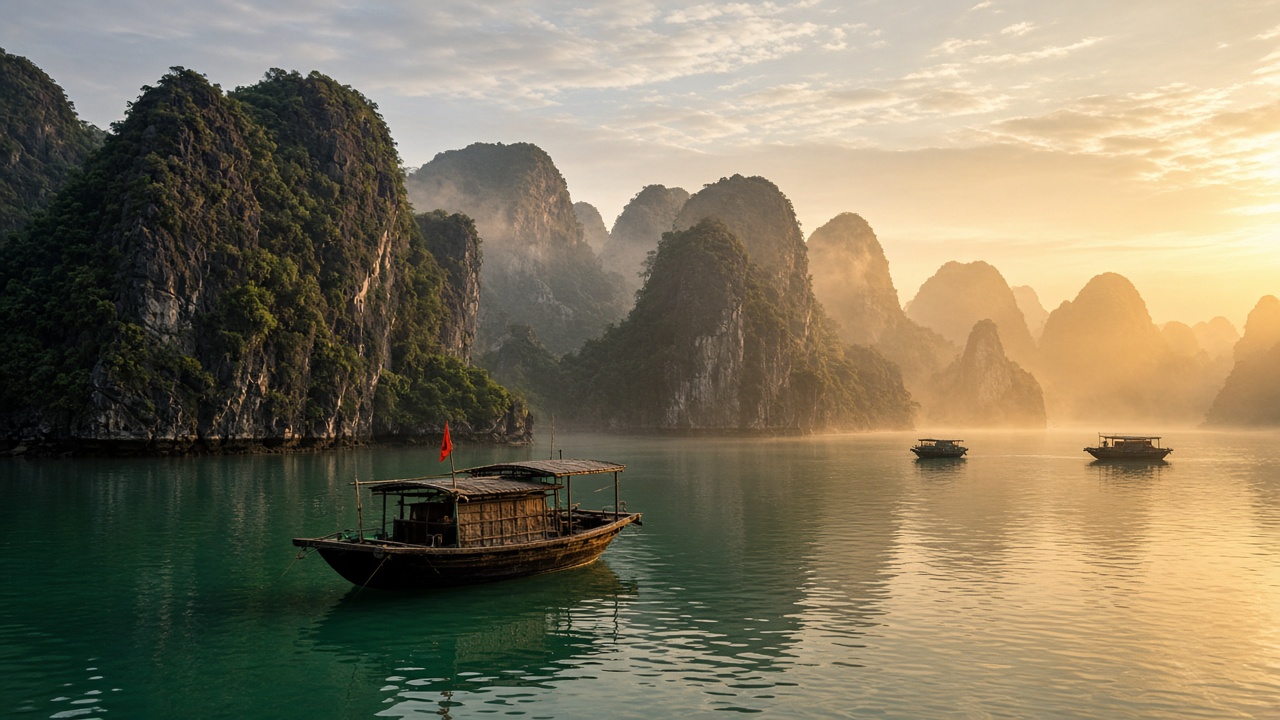
Vietnam’s coastline runs for roughly 1,600 kilometers, and scenery and weather shift strikingly along it. The north has clearer seasons, with noticeably cool winters in places like Hanoi and Sapa, while the south stays tropically warm all year. Visitors can explore the limestone karsts of Ha Long Bay, terraced rice fields in the highlands, thick tropical forest, coastal sand dunes, and islands like Phú Quốc.
3. Life on Two Wheels: Vietnam’s Unique Street Culture
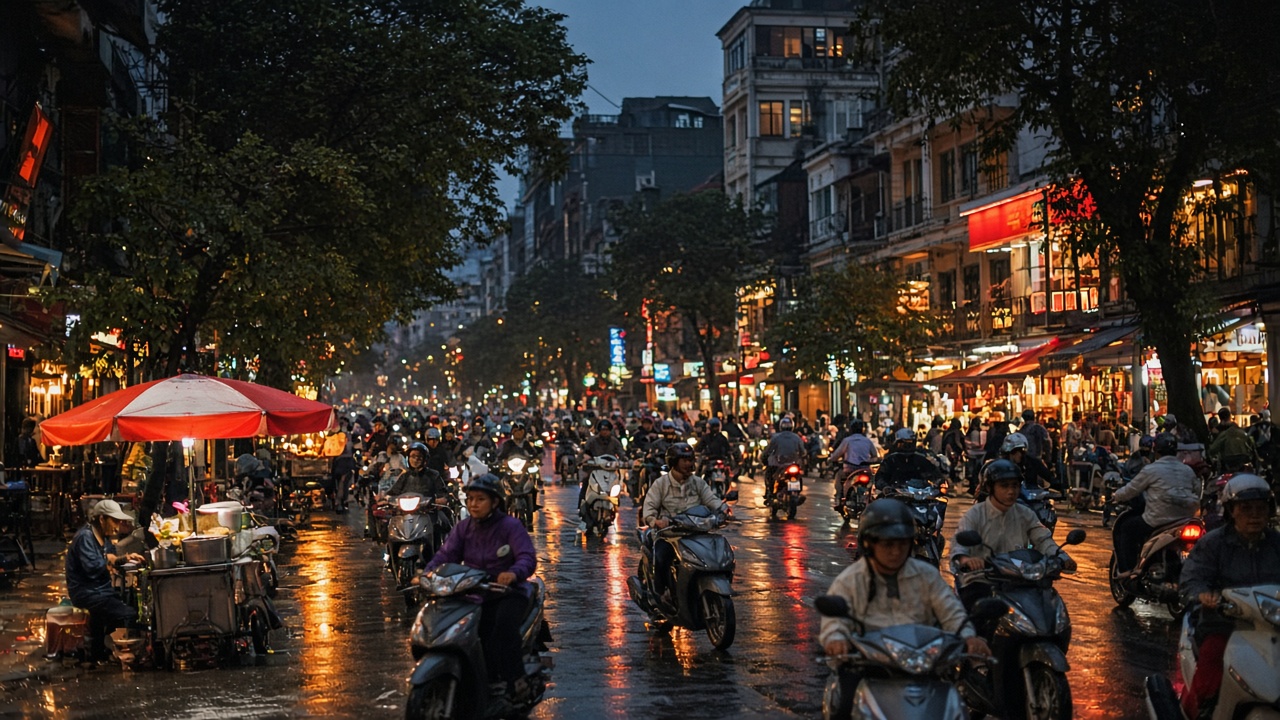
Motorbikes and scooters are woven into daily life. Estimates put the figure at around 770 for every 1,000 people, an unusually dense concentration. At the same time, the country is going digital fast: QR-code payments and mobile banking are reaching even modest food stands and corner shops.
4. A Nation Rewriting Its Economic Story
After a history defined by fights for independence, Vietnam’s current chapter centers on growth. In 1990, GDP per person stood at under US$100; today it tops US$5,200. For 2026, a World Bank forecast puts growth at roughly 7.4%, driven by rising industrial output, new infrastructure, and foreign investment.
Vietnam’s Economic Boom: How a Formerly Poor Nation Became an Asian Manufacturing Powerhouse
Once anchored in farming, Vietnam now attracts global manufacturers, tech firms, and investors, thanks to affordable labor, a web of international trade deals, and a workforce whose skills keep improving.
1. Becoming the Alternative to China
The “China Plus One” strategy has opened major doors for Vietnam. Trade friction and rising Chinese production costs have led many multinationals to see Vietnam as a viable second base. Its appeal rests on:
- A stable political climate.
- Roughly 101 million people.
- A youthful, driven workforce.
- Competitive labor and manufacturing costs.
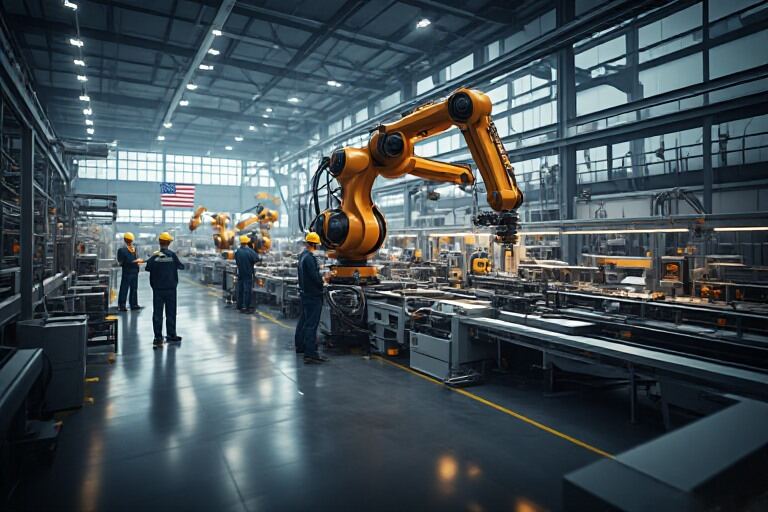
2. Electronics Are Transforming the Manufacturing Industry
Vietnam was once known mainly for farm produce, garments, and shoes. Now electronics production is a pillar of its economy.
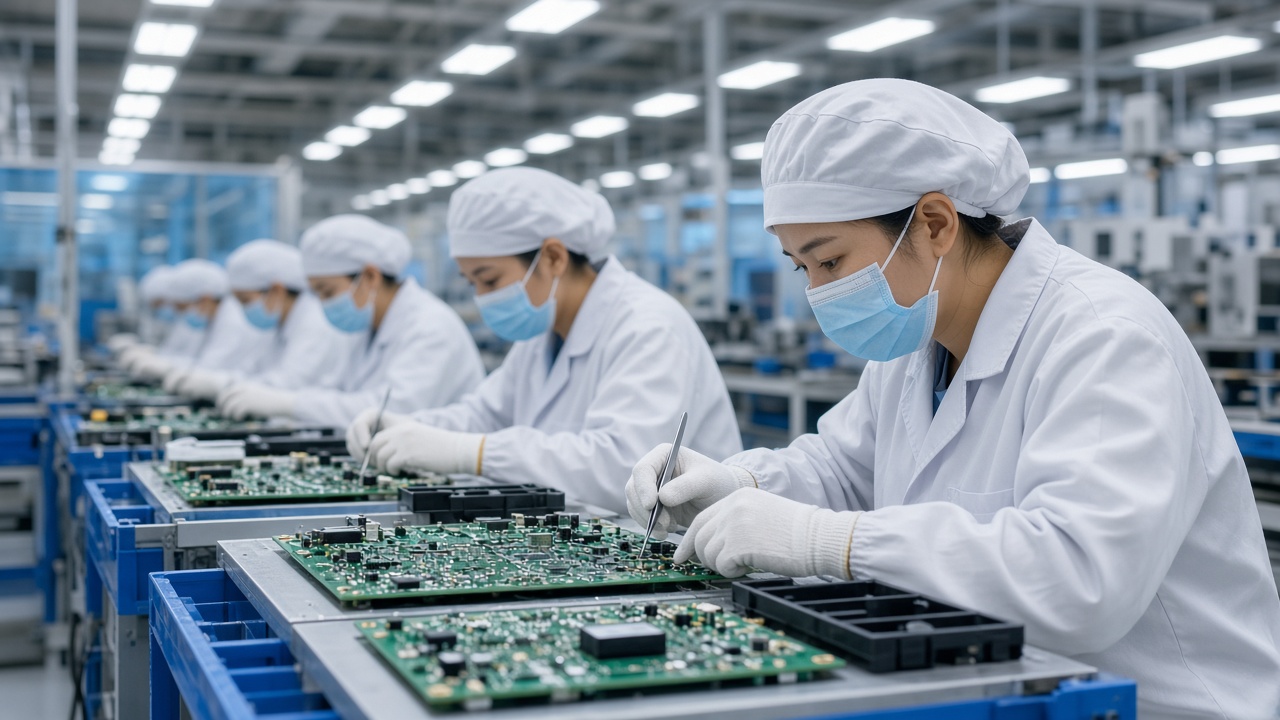
- Smartphones and Consumer Electronics: Global tech brands increasingly rely on Vietnam as a production hub; about half of all Samsung smartphones made worldwide come out of Vietnamese factories.
- The Semiconductor Ambition: Seeking a real foothold in the global chip industry, the country aims to train upward of 50,000 specialist engineers by 2030.
3. Trade Deals and Agricultural Strength
Vietnam’s broad network of trade partnerships widens its access to overseas markets and boosts its appeal to foreign investors. Key deals include:
- EVFTA: A free trade pact linking Vietnam and the European Union.
- CPTPP: A wide-ranging partnership bringing together nations around the Pacific.
- RCEP: A large-scale economic partnership spanning the Asia-Pacific.
Farming still carries real weight. Only Brazil grows more coffee than Vietnam, much of it Robusta, and rice and seafood are also major exports.
The Challenges Behind Vietnam’s Rapid Growth
- Heavy Reliance on Foreign Manufacturers: Nearly 75% of exports come from foreign-owned firms such as Samsung, LG, and Foxconn, and domestic suppliers still need to plug more firmly into global production networks.
- Increasing Energy Requirements: Every new factory adds to climbing electricity demand. Northern industrial zones have faced power cuts during especially punishing summers, making renewables, wind power, and liquefied natural gas infrastructure a pressing priority.
- An Aging Population: The labor force is comparatively young today, but falling birth rates are raising demographic worries. The government hopes to reach high-income, industrialized status by 2045, before aging becomes a serious drag.
Who Holds Power in Vietnam? Understanding Its Political System
Vietnam is a one-party state led by the Communist Party of Vietnam (CPV). Power rests firmly with the ruling party, and no organized political opposition is allowed.
1. The Leadership Behind the Government
Traditionally, top responsibilities are split across four posts: General Secretary of the Communist Party, President, Prime Minister, and Chairman of the National Assembly. Lately, authority has been gathering in fewer hands.
- Tô Lâm: Vietnam’s most powerful figure was confirmed as General Secretary at the 14th National Party Congress in January 2026, and in April 2026 the National Assembly also elected him President for a five-year term. He was previously Minister of Public Security.
- Prime Minister Phạm Minh ChÃnh: He runs the day-to-day work of government and carries out economic policy and national development goals.
2. Stability, Reform, and Its Costs
For investors, the absence of organized opposition and serious unrest has meant a fairly predictable business climate and a high degree of policy continuity.
The Anti-Corruption Campaign Known as “Blazing Furnace”
This sweeping anti-graft drive has removed, dismissed, or pushed to resign thousands of officials, business leaders, and top politicians, former presidents among them. It aims to rebuild public trust but has made some officials reluctant to sign off on decisions.
Restructuring the Government
Administrative reforms, including merging provincial structures, cutting bureaucratic layers, and reshuffling ministries, aim to create a leaner government that can react faster to the economy’s evolving needs.
The Cost of Political Control
Stability comes at a steep price for free expression. The press, online platforms, and civil society organizations work under tight state oversight, and journalists, bloggers, and activists who openly criticize the authorities risk restrictions and criminal charges. Vietnam still scores poorly in global press freedom rankings.
Vietnam’s People: Ethnic Diversity, Employment, and Education
1. A Nation of 54 Recognized Ethnic Groups
- The Kinh People: Between 85% and 88% of Vietnamese are Kinh, also called the Viet. They cluster in major cities and economically vital farming regions, above all the Mekong Delta and the Red River Delta.
- The Ethnic Minorities: The other 12% to 15% belong to 53 additional recognized groups, the largest including the Tà y, Thái, MÆ°á»ng, Hmong, and Khmer. Many live in the northern mountains and the Central Highlands.
- The Hoa Community: People of Chinese descent, the Hoa have left an important mark on Vietnam’s trading and urban history.
2. A Large Workforce Driving National Development
More than 52.5 million Vietnamese aged 15 and older make up the workforce. Labor force participation is about 73.7%, and unemployment sits near 1.4%. Jobs are shifting from farming toward industry and services.
| Employment Sector | Share of Workforce | Main Characteristics |
|---|---|---|
| Services | 36% | Growing on the back of tourism, IT, e-commerce, and financial services. |
| Industry and Construction | 31% | Expanding quickly thanks to foreign manufacturing investment and new factories. |
| Agriculture | 33% | Slowly losing employment share, yet still vital to farm exports. |
The Informal Employment Challenge
Upward of 60% of workers still earn their living in the informal economy, including family-run shops, street sellers, freelancers, and casual laborers. Around 71.5% of workers lack formal professional credentials and are classed as unskilled, which is why vocational schooling and job training sit at the heart of Vietnam’s long-range development plans.
3. Education: Preparing the Next Generation for a Global Economy
Shaped partly by Confucian influence, Vietnamese families see schooling as among the most worthwhile investments, and higher education has grown substantially.
- Growing University Enrollment: Some 2.1 million students attend roughly 243 universities, around 95% of them pursuing a bachelor’s degree. The government aims for 3 million by 2030.
- Higher Education Participation: The gross tertiary enrollment ratio is about 37.6%, up from under 2% in the early 1990s.
- A Stronger Focus on STEM: The goal is for 35% of university students to be in science, technology, engineering, and mathematics, feeding fast-growing tech industries.
- Private and International Universities: Institutions such as RMIT University and British University Vietnam are gaining ground beside public universities.
- Studying Beyond Vietnam: About 250,000 Vietnamese students study overseas, favoring South Korea, Japan, Australia, the United States, and Taiwan, while Germany is drawing more interest through international education and vocational training partnerships.
Vietnam’s Future: Can It Become One of Asia’s Leading Economies?
Booming manufacturing, global partnerships, a youthful labor force, and a widening education system give it solid ground to build on. Serious issues remain, however: reliance on foreign manufacturers, surging energy demand, gaps in workforce skills, and demographic pressures.
The test is turning headline growth into lasting prosperity for local businesses and citizens. If Vietnam balances industrial growth, tech innovation, education, and sustainability, it could emerge as one of Southeast Asia’s most important economic players in the decades ahead.
 contentworld – Vietnam Report 2026
SI gen content by SI Morgan / Seren Amihan / Samy de Palma / Yo Wilder-Rose