The unrest is three overlapping protests with different triggers and one shared backdrop:
- a cost-of-living squeeze,
- a tight budget,
- and a government heading into the 2027 presidential election.
School blockades
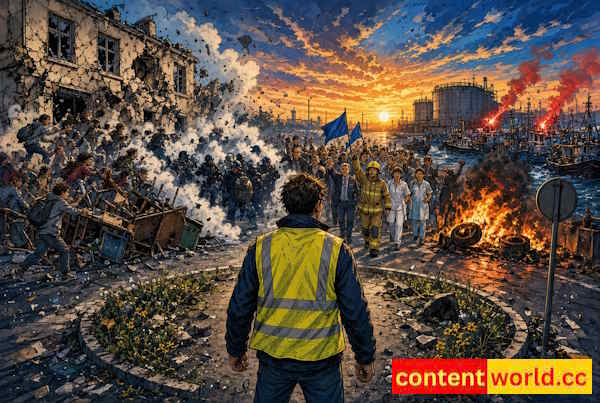
These started in lycées in the Paris region and spread to hundreds of schools and then some universities. The stated cause is conditions inside schools, not fuel or pensions: missing teachers and weak cover for absences, overcrowded classes, long days, and buildings students call dilapidated or overheated. That is a service-quality grievance. It turned political because it landed in the same week as a public-sector strike and the 2027 budget, and because blockades drew in people the interior minister described as agitators moving between schools. Violence — bin fires, projectiles, the petrol attack on a headteacher in Marseille — is not the students’ formal demand; it is how part of the mobilisation has been conducted, and it is what forced Lecornu’s crisis meeting.
Public-sector strike
The direct cause is the draft 2027 budget. Unions object to roughly €54 billion in cuts and savings and to another freeze of civil-service base pay, which they say would be the fourth in a row and save about €2 billion. Teachers, firefighters and hospital staff are also carrying older complaints: staffing, equipment, and pay that has not kept up with prices. The 29 September strike was timed to hit before the budget was unveiled.
Fuel and workplace blockades
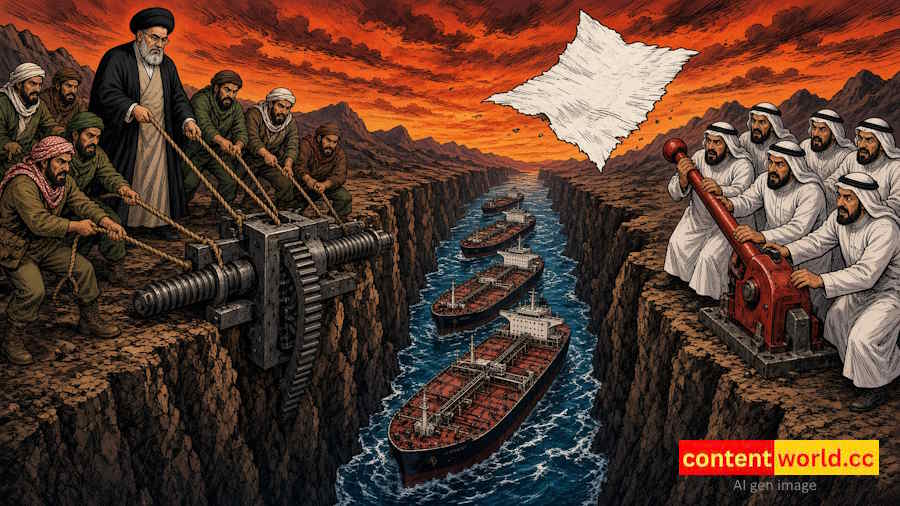
The spark is the price. Diesel near €2.37 a litre, just under the French record, is tied to the 2026 Iran war and the disruption of the Strait of Hormuz, plus the Yemen conflict, not to a new domestic fuel tax. Fishermen, energy workers, farmers and some construction and port workers blocked harbours and depots because fuel is an input cost, not a symbolic tax. EDF’s high strike rate also reflected a fight over employee power discounts. Lecornu’s higher industry subsidies through December treated it as a sector shock; they did not remove the price.
Why it resembles the yellow vests, and why it is not the same yet
In 2018 the fuse was a planned fuel-tax rise, read as a Paris policy that hit people who drive to work. In 2026 the fuse is an external price spike, but the reading is similar: households and small operators pay, and the state looks unprepared. Social-media calls for 17 October copy the leaderless, calendar-based style of 17 November 2018. What is missing so far is that movement’s core form — roundabout occupations by provincial drivers — and a single nationwide organisation. The street this week is mostly pupils and unions.
Underneath all three:
inflation in essentials, a government that must cut to steady the public finances, and weak trust in Macron’s camp a few months before a presidential campaign. The causes are concrete and separate; they are amplifying each other because they are happening at the same time.