People across Asia are currently navigating a landscape defined by the tension between an unprecedented technological boom and massive global and environmental pressures.
The defining themes shaping the daily lives, concerns, and future outlook of populations across the region’s various areas can be summarized in five key categories:
1. AI Boom vs. Youth Unemployment and Extreme Performance Pressure
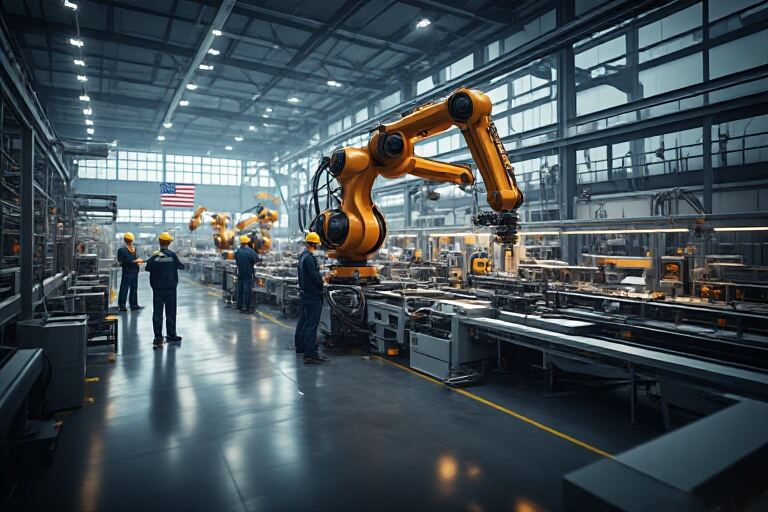
• The AI and Semiconductor Frenzy: Economies in countries like Taiwan and South Korea are booming thanks to the global export of AI hardware and microchips. This is driving stock markets and creating high-tech jobs.
• The Flip Side (“Involution”): Despite the tech boom, young people in many countries face extreme pressure. In China, the phenomenon of “involution” (*Neijuan*—a ruinous, collective “hamster wheel” competition) shapes daily life. Faced with high youth unemployment, many young people are turning to “rural influencing,” attempting to sell agricultural products via social media to create their own jobs.
• Financial Worries: In metropolises like Seoul, young families are struggling with sharply rising interest rates and anxiety surrounding real estate loans (the *Yeongkkeul* phenomenon: buying property by stretching one’s finances to the absolute limit).
2. The Tangible Consequences of the Climate Crisis
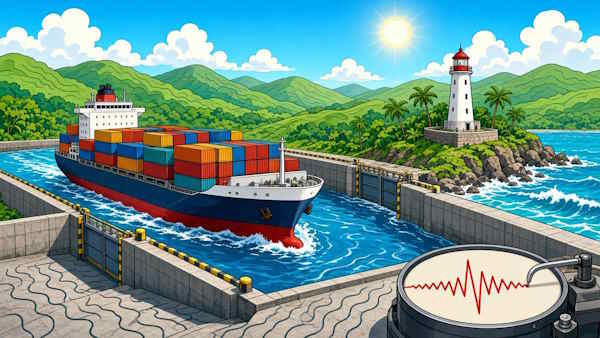
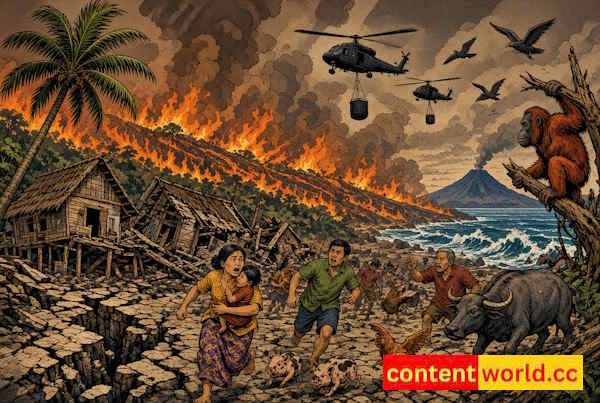
• Record Wildfires and Smog: Exacerbated by the El Niño climate phenomenon, Southeast Asia is suffering from devastating wildfires and droughts. In Indonesia alone, fires have recently destroyed hundreds of homes and devastated habitats. The resulting toxic haze is taking a toll on the health of millions across the region. • Natural disasters and infrastructure: Severe flash floods and landslides in countries like Nepal and Bangladesh have left thousands of people homeless. In megacities like Manila, rapid growth—combined with a lack of modern sewage systems and subway networks—causes extreme day-to-day infrastructural challenges. In Indonesia, there is even talk of linking mosque loudspeakers to earthquake warning systems.
3. Geopolitical anxieties and economic uncertainty
• Impact of the Middle East conflict: The escalation of conflict involving Iran and the Middle East is directly hitting the wallets of the Asian population. As Asia is heavily dependent on energy imports from the Gulf region, the prices of gasoline and cooking gas are soaring, driving up the cost of living.
• The Taiwan issue and concerns regarding Trump: Anxiety about US foreign policy is mounting in East Asia. Particularly in Taiwan and Japan, there are concerns ahead of the upcoming summit between Xi Jinping and Donald Trump that the US might weaken its support for Taiwan in exchange for economic deals. China’s regular military maneuvers near Taiwan keep fears of an escalation high.
4. A demographic turning point
• Shrinking societies: The aging of society is intensifying dramatically in East Asia. Japan and China are recording historic lows in birth rates. In Japan, the number of deaths now exceeds the number of births by more than two to one. This is leading to an acute labor shortage, forcing traditionally insular nations to increasingly open their doors to foreign workers.
• Succession crisis: In China, the first major generation of private entrepreneurs is currently reaching retirement age. This is a major concern for the country, as many children of the founders are neither willing nor able to take over the traditional family businesses.
• Growth in the South: In contrast, South Asia (India) and Southeast Asia (Indonesia, Pakistan) are experiencing a sustained demographic and religiously driven boom that is increasingly shifting the weight of the global economy toward these regions.
5. Social Change and the Longing for Modernity
• Tradition vs. Modernity in Japan: A major topic of social debate in Japan is the crisis facing the Imperial House. Since women are excluded from the line of succession, the imperial family is running out of heirs. An overwhelming majority—over 70% of the population—is now calling for reform to allow the popular Princess Aiko to ascend the throne.
• Pop Culture Boom: Despite various crises, people are finding an escape in a vibrant pop and media culture. This is also reflected in current trends: while Thai and Korean dramas (particularly modern workplace comedies and progressive relationship dramas) are breaking global records, digital worlds, agentic AI (autonomous AI assistants), and platforms like Douyin (the Chinese version of TikTok) are booming across Asia.
 contentworld – Between the AI Boom and Crisis Mode: What’s Moving Asia Today