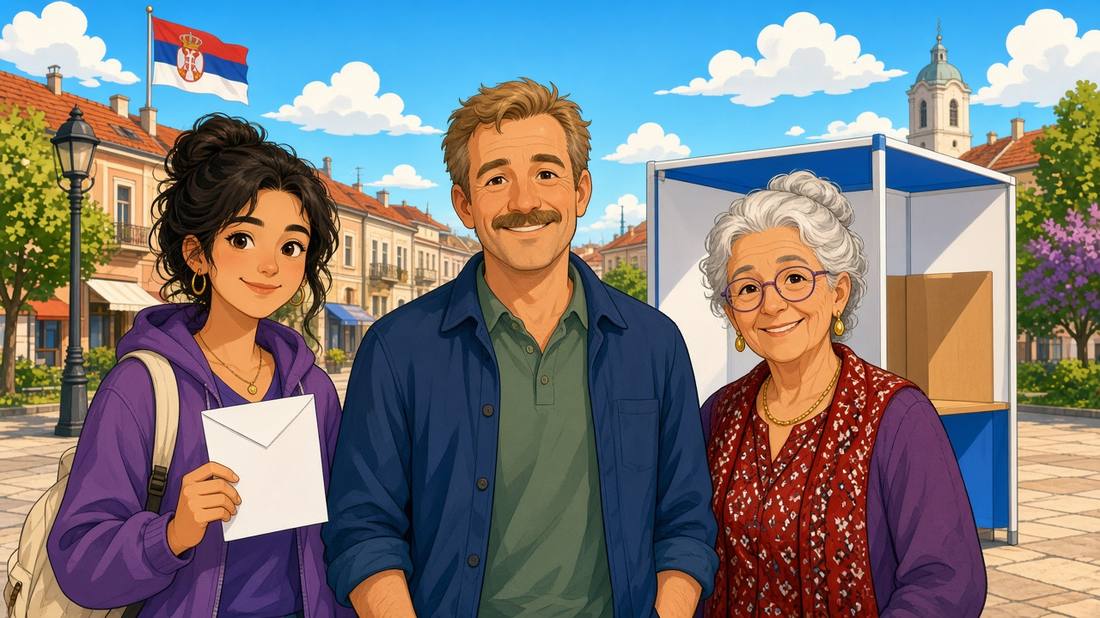
On a single Sunday in late October, Serbia is not just choosing a parliament. It is deciding whether fourteen years of tightly managed power will continue — or crack. The snap election of 25 October 2026 is the clearest test yet of a country that still wants the European Union’s door open while keeping one hand on older friendships in Moscow and Beijing.
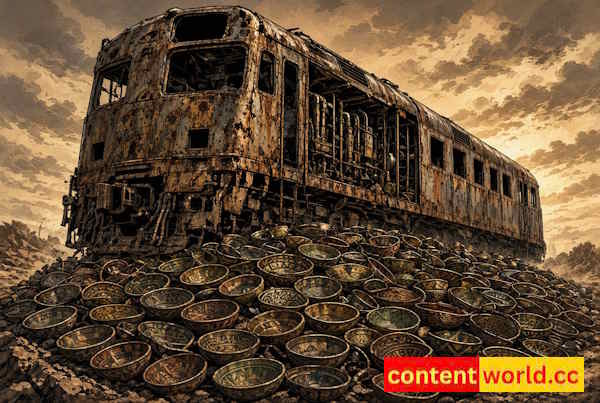
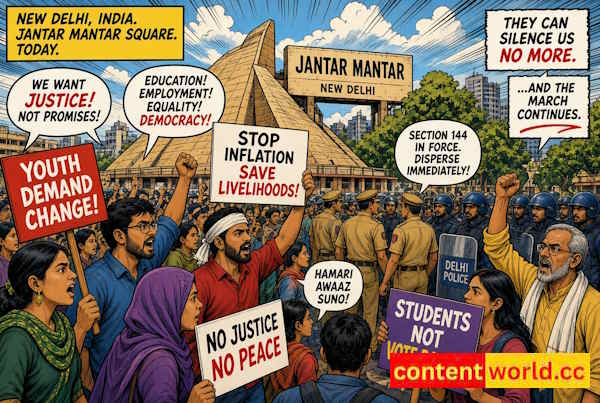
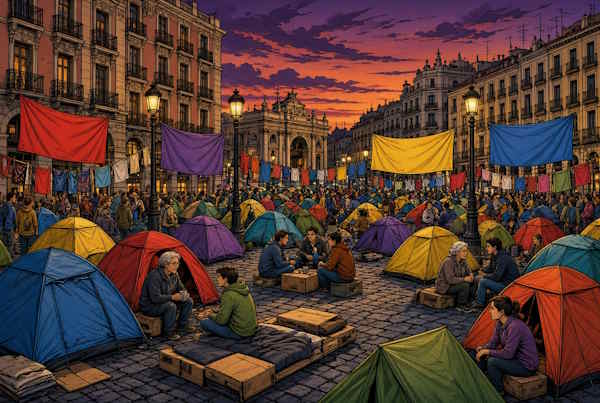
Two stories collide at the ballot box. The first began in Novi Sad in November 2024, when a railway-station canopy collapsed and sixteen people died. The disaster lit a fuse under claims of corruption and institutional rot, and student protests grew into a nationwide movement. The second was the state-backed farewell given to convicted war criminal Ratko Mladić — a gesture that thrilled nationalists at home and horrified partners abroad. Between those poles, President Aleksandar Vučić resigned his office to lead the ruling Serbian Progressive Party list, while a decentralised Student List of academics and professionals stepped forward as the most serious alternative in more than a decade.
Why Brussels, Moscow and the Balkans are watching
Serbia is an EU candidate that has never fully aligned with Brussels on Russia. It has refused EU sanctions over Ukraine, kept energy and political channels open with Moscow, and deepened security ties with China. At the same time it courts Western investment and a new U.S. “strategic dialogue” on energy and technology. That balancing act only works if Belgrade can still claim a credible European path. A contested or irregular victory for the ruling camp would force Europe to choose between transactional deals and a harder freeze on accession money. A student-led mandate, by contrast, would demand fast financial support and a clearer roadmap — and would face the brutal task of unwinding years of centralised control.
Inside the region, Serbia’s mood travels. Instability in Belgrade spills into relations with Kosovo, Bosnia and neighbours who remember the 1990s too well. Media bias, intimidation and murky voter lists mean whichever side claims a majority of the 250 seats may face street challenges. The direction-setting question is therefore not only who wins, but whether the result is accepted as legitimate. If Serbs believe the vote was fair, the country can pivot — toward deeper European integration or toward continued managed ambiguity. If they do not, the Balkans risk another round of protest, paralysis and geopolitical shopping. That is why this election is more than a domestic scoreboard: it is a signal about where Serbia intends to stand in a Europe remade by war and enlargement fatigue.

contentworld – election in serbija – SI gen post