Topic of the day
South Korea’s Race to Stay Ahead in AI Chips
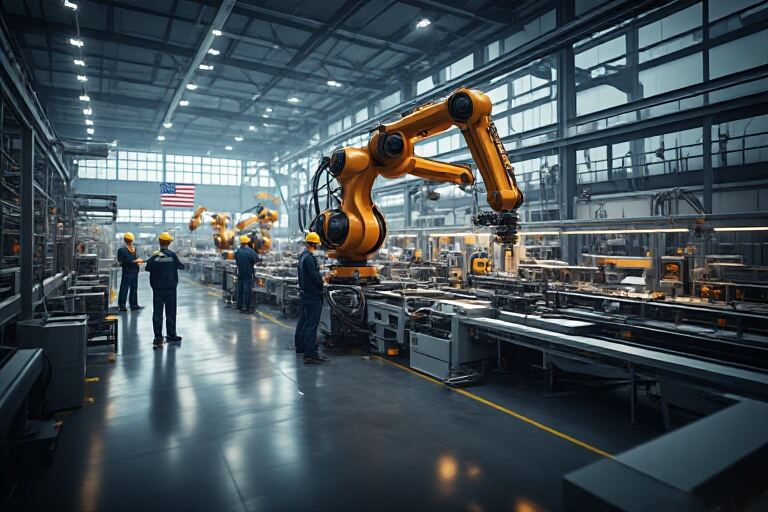
Artificial intelligence may be powered by software, but behind every advanced AI system is a huge amount of specialized hardware. South Korea has become an important player in this race, particularly because of its strength in high-bandwidth memory, or HBM, which helps AI processors handle enormous amounts of data quickly. Samsung Electronics and SK hynix are at the center of the country’s semiconductor push.
Why HBM Matters
AI systems need to move huge quantities of data between processors and memory. HBM uses vertically stacked memory chips to provide very high data-transfer performance, making it an important component in advanced AI computing. South Korean companies currently rank among the world’s leading HBM suppliers alongside U.S.-based Micron.
Samsung and SK hynix Invest Heavily
Both Korean technology giants are expanding their production capacity. In August 2026, SK hynix announced approximately 54 trillion won in investments for new facilities in Yongin and Cheongju, including DRAM and NAND production designed to support growing AI-related memory demand.
Samsung is also expanding its semiconductor capabilities and working with technology companies on memory, foundry, and advanced packaging technologies for next-generation AI infrastructure. Its collaboration with Broadcom, announced in July 2026, covers memory and foundry technologies.
A Bigger National Strategy
South Korea is treating semiconductors and AI as closely connected industries. A government strategy announced in June 2026 called for very large investments from Samsung and SK hynix, including new fabrication facilities and expanded memory production. The plan also includes AI data centers and other supporting infrastructure.
The Competition Is Global
South Korea is not competing alone. U.S. companies remain important in AI processors and infrastructure, while companies in other countries are developing competing memory and semiconductor technologies. The rapid growth of AI has created strong demand, but companies still have to manage enormous construction costs, technological changes, and uncertainty about future demand.
Building the Next AI Supply Chain
South Korea’s advantage comes from more than simply producing individual chips. Its semiconductor ecosystem includes memory manufacturing, advanced packaging, research, equipment suppliers, and major technology companies. Partnerships with global firms are also becoming increasingly important as AI systems become more complex.
The Race Is Just Beginning
The AI-chip competition is likely to remain intense as companies develop faster processors, larger memory systems, and more efficient ways to power AI applications. For South Korea, maintaining its position means continuing to invest in technology and production while adapting to rapidly changing demand. The tiny memory chips inside AI infrastructure may not look exciting, but they are becoming some of the most important pieces of the global technology race.

Entertainment of the day
Onurkahya a young attractive woman with long platinum-blonde hair wearing a black baseball cap, a light grey cropped knit sweater and extremely tight shiny black leather pants …

Cooking of the day

Easy Beef Burritos Recipe
Beef burritos are a delicious and filling meal made with seasoned ground beef, rice, beans, cheese, and fresh vegetables wrapped inside a soft flour tortilla. They are easy to customize and work well for lunch, dinner, or a quick family meal.
Ingredients for the Beef
- 500 g ground beef
- 1 small onion, finely chopped
- 2 cloves garlic, minced
- 1 teaspoon salt
- ½ teaspoon black pepper
- 1 teaspoon paprika
- 1 teaspoon cumin
- ½ teaspoon chili powder
- ½ cup tomato sauce
- ½ cup water
Ingredients for the Burritos
- 6 large flour tortillas
- 1 cup cooked rice
- 1 cup cooked or canned beans
- 1 cup shredded cheese
- 1 tomato, diced
- 1 cup shredded lettuce
- Sour cream, optional
- Salsa, optional
Cook the Beef
Heat a large pan over medium heat and cook the chopped onion and garlic until soft and fragrant. Add the ground beef and cook until browned, breaking it apart with a spoon as it cooks.
Add the Seasoning
Season the beef with salt, black pepper, paprika, cumin, and chili powder. Add the tomato sauce and water, then stir everything together. Let the mixture simmer for about 5 to 10 minutes until the sauce thickens and the beef is well flavored.
Prepare the Tortillas
Warm the flour tortillas in a dry pan or microwave for a few seconds. Warm tortillas are softer and easier to fold without breaking, which makes assembling the burritos much easier.
Build the Burritos
Place a tortilla on a flat surface and add a layer of cooked rice, beans, seasoned beef, shredded cheese, diced tomato, and lettuce. Add sour cream or salsa if desired, but avoid overfilling the tortilla.
Fold the Burritos
Fold the sides of the tortilla toward the center, then fold the bottom over the filling and roll it tightly upward. Make sure the filling stays inside as you roll so the burrito holds its shape.
Serve and Enjoy
The burritos can be served immediately with extra salsa, sour cream, or your favorite dipping sauce. For a crispy finish, place the folded burrito seam-side down in a hot pan and cook for about 1 to 2 minutes on each side until lightly golden.
Easy Burrito Variations
You can easily change this recipe by adding avocado, corn, bell peppers, jalapeños, grilled chicken, or extra cheese. For a vegetarian version, simply leave out the beef and add more beans, vegetables, or seasoned rice.

Lady of the day
AI attractive lady in a bavarian dirndl at contentworld

Sports

Why FIFA Is Facing Pressure for Governance Reform
FIFA is facing renewed pressure over how global football is governed. In September 2026, several major European leagues called for significant changes to FIFA’s governance structure, arguing that important decisions should include stronger checks and greater involvement from football’s wider community.
FIFA is responsible for regulating international football while also managing major commercial competitions and global football development programs. Critics of the current structure have raised concerns about the combination of regulatory responsibilities and commercial interests, as well as the level of influence given to different football stakeholders.
The FIFA Forward Enterprise Controversy
One issue behind the latest debate was FIFA’s proposed FIFA Forward Enterprise, a commercial venture that was expected to involve private investment connected to World Cup commercial rights. The proposal attracted opposition from several football organizations and was eventually withdrawn in July 2026. FIFA said the project was intended to create additional commercial opportunities while maintaining its governance principles.
Major European leagues have called for a permanent decision-making body that would include representatives from national associations, leagues, clubs, and players. They have also called for greater transparency around major decisions and a clearer separation between FIFA’s regulatory responsibilities and its commercial activities.
More Checks and Balances
The leagues have raised concerns about how authority is distributed within FIFA. Their proposals include stronger checks and balances and greater participation from stakeholders affected by FIFA decisions. They argue that major changes to football should involve a broader group of organizations and representatives.
FIFA President Gianni Infantino has proposed an independent review of FIFA’s governance following the controversy. FIFA has also emphasized consultation with its member associations and other stakeholders. The debate has nevertheless continued over whether individual reviews are enough or whether broader structural changes are necessary.
The Wider Football Calendar
Governance concerns are also connected to disagreements over the international football calendar. European leagues have previously raised concerns about the growing number of international competitions and the effect additional matches can have on domestic leagues, clubs, and players. Finding a balance between domestic and international football has therefore become an important part of the wider discussion.
Football involves many different groups, including national associations, professional leagues, clubs, players, and supporters. European leagues are calling for these groups to have a stronger role in major decisions. FIFA, meanwhile, has said that its governance reforms have increased stakeholder involvement through changes to its committees and decision-making processes.
A Debate About the Future of FIFA
The governance debate is expected to remain an important issue as FIFA approaches its next presidential election in 2027. European leagues have called for presidential candidates to present their own reform programs and have proposed an independently chaired governance convention during the first 100 days of the next presidential mandate. The discussion highlights an ongoing question for world football: how should FIFA balance its regulatory authority, commercial responsibilities, and the interests of the many organizations involved in the sport?

Basic knowledge of the day
- Body Temperature and Blood Pressure – basic contentworld