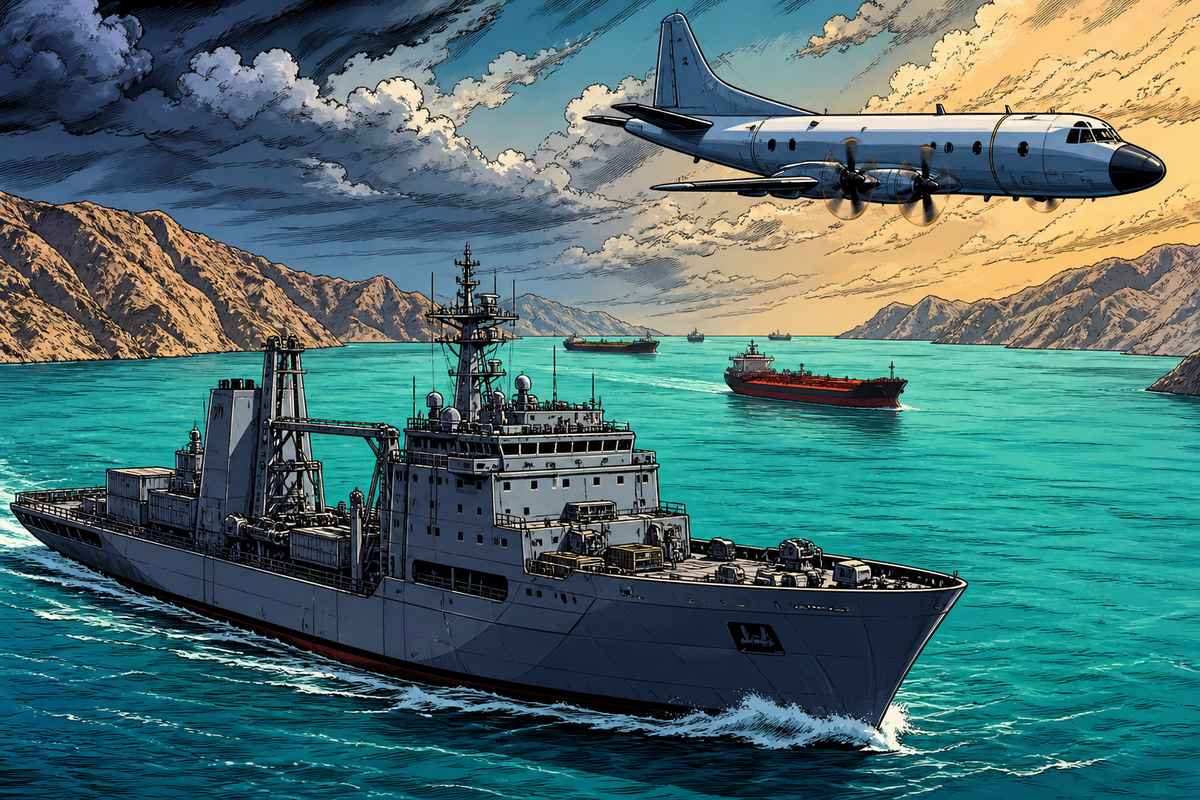
On September 4, 2026, South Korea’s presidential office confirmed what regional headlines had already begun to signal: Seoul is reviewing military and practical options to support freedom of navigation in the Strait of Hormuz — while insisting that no final deployment decision has been made. The debate sits at the intersection of three pressures that rarely stay separate for long: oil, alliance politics, and the Korean Peninsula.
Media reports described possible assets ranging from a logistics support ship and maritime patrol aircraft to mine-detection capability, with talk of seeking National Assembly approval if the government moves ahead. Blue House officials pushed back on claims that a plan was already locked in, stressing that any contribution must fit domestic legal procedures and, critically, must not weaken South Korea’s readiness at home.
Why Hormuz matters in Seoul
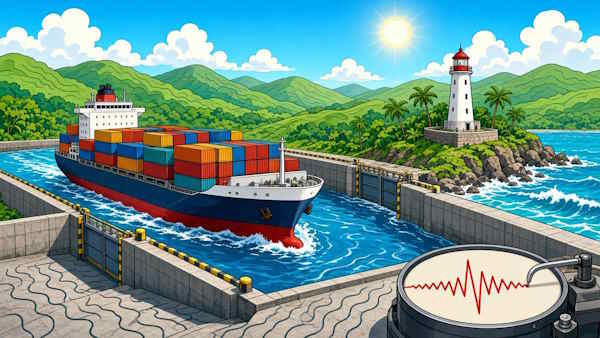
The economic case is blunt. Roughly seven in ten barrels of South Korea’s crude oil imports move through Middle Eastern routes tied to the strait. When Hormuz tightens, the shock is not abstract: diesel and LNG prices jump, industrial costs rise, and feedstock such as naphtha — vital for petrochemicals and semiconductor supply chains — becomes harder and more expensive to secure. Officials have framed a “substantial contribution” to keep shipping lanes open as national interest, not charity.
That is why the review includes non-combat and combat-adjacent options rather than a simple yes/no to combat troops. Search operations, logistics, patrol aircraft, and mine clearance can still be politically sensitive, but they are easier to sell as protecting Korean energy and trade than as joining a distant war for its own sake. For a manufacturing and export economy, a blocked gulf is a domestic story long before it is a foreign-policy theory.
The Trump factor — and what Seoul denies
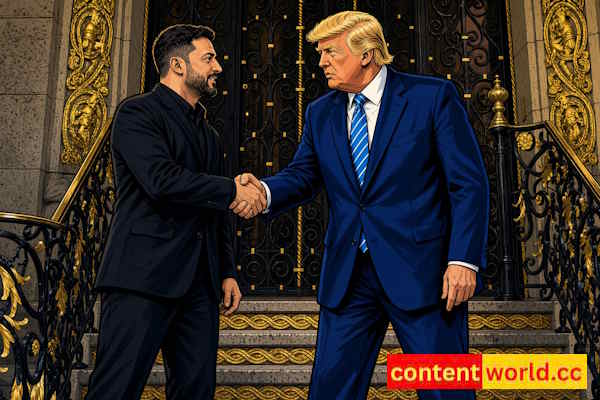
Alliance politics sharpened the timing. U.S. President Donald Trump has publicly criticized Seoul for insufficient help on Iran and Hormuz, and Washington has already trimmed joint exercises that matter for deterrence against North Korea. In that climate, a Hormuz review looks like more than energy policy. It also looks like damage control: keep the United States engaged, avoid another public scolding, and protect parallel talks on trade and defense arrangements.
Blue House officials insist Trump’s remarks are not the direct cause of the review and say discussions of practical contributions began earlier. Politically, that distinction is thin. When an ally shortens peninsula drills while demanding help in the Gulf, Seoul hears both messages at once — even if the formal talking points keep them apart.
Does Seoul hope Trump will “help with Kim”?
The short answer is alliance logic, not a clean bargain. South Korea is not offering Hormuz support as a voucher that Trump will automatically confront Kim Jong Un. The deeper calculation is negative and practical: do not antagonize an unpredictable partner whose forces and extended deterrence still sit at the center of South Korea’s security design. If Pyongyang grows more volatile, Seoul wants the U.S. presence, intelligence sharing, and political commitment intact — not eroded by a quarrel over Iran.
That is why officials keep repeating the readiness caveat. Any Hormuz package has to leave enough capacity on the peninsula. Opposition voices go further, arguing that dispatching ships into a U.S.–Iran clash is unconstitutional adventurism and would put Korean sailors at risk without a clear defensive mandate. The government, for now, stays in the middle lane: keep reviewing, keep consulting partners, keep the door open, and refuse to confirm a done deal.
What emerges is a classic middle-power squeeze. South Korea needs Hormuz open for its economy. It needs the United States for peninsula security. And it needs domestic legitimacy for any overseas military step. Until those three lines align — energy risk, alliance pressure, and parliament — “under review” remains the safest public sentence in Seoul. For readers watching Asia this week, the story is less about a sudden Korean pivot to the Gulf and more about how a frontline U.S. ally tries to buy breathing room with limited ships, careful language, and one eye always on the North.