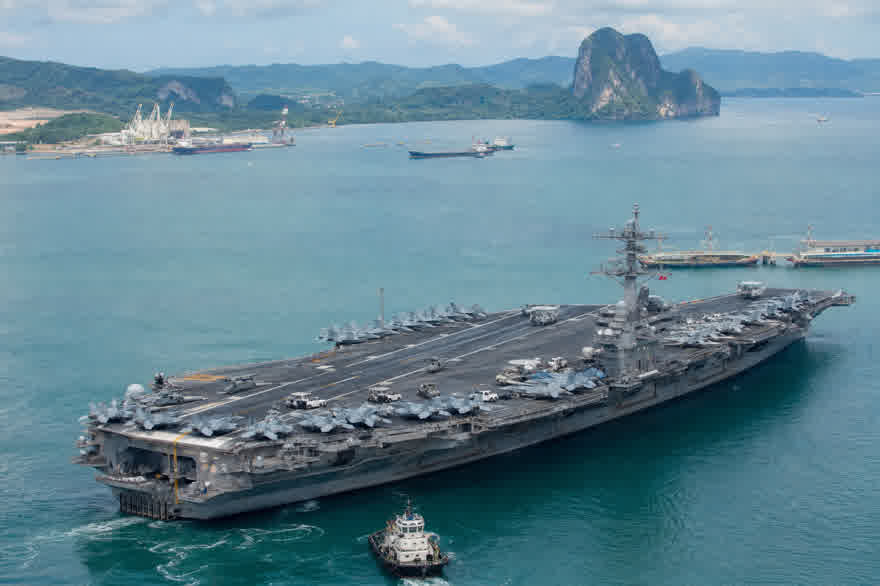
On September 2, 2026, the Nimitz-class aircraft carrier USS Abraham Lincoln (CVN 72) eased into Thailand’s Laem Chabang port after a deployment that had kept its crew at sea for 286 consecutive days. For roughly 5,000 sailors and Marines, the Thai stop was the first full port visit since the ship left San Diego in November 2025—a rare pause after months of high-tempo operations and growing public scrutiny of life aboard.
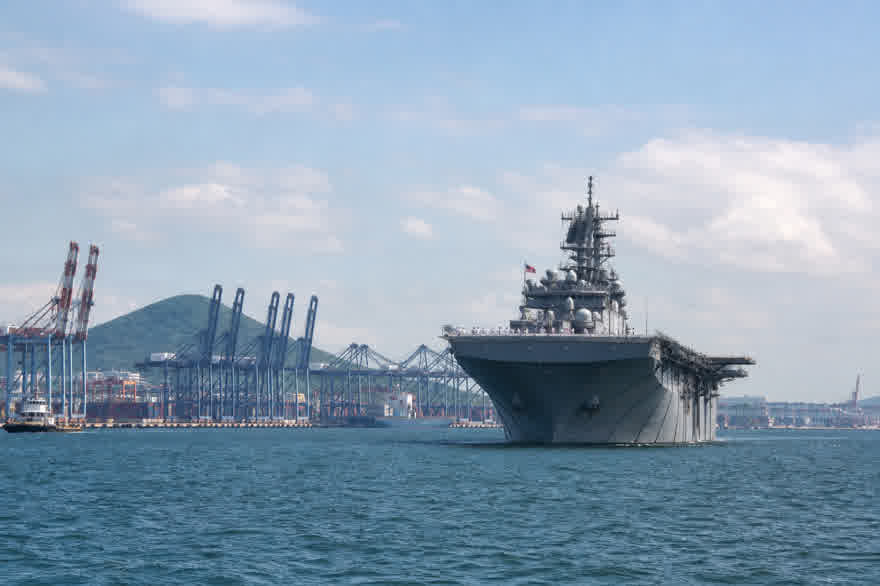
Laem Chabang, in Chonburi province east of Bangkok and near the resort city of Pattaya, is better known for containers than carriers. That contrast made the arrival visually striking: a nuclear-powered warship the length of three American football fields moving into a commercial harbor while accompanying ships of the Abraham Lincoln Carrier Strike Group dispersed to nearby ports. The destroyer USS Frank E. Petersen Jr. headed for Sriracha; the cruiser USS Robert Smalls went to Map Ta Phut in Rayong province.
From combat waters to a Thai liberty call
Navy statements framed the visit as both rest and diplomacy. Capt. Dan Keeler, Abraham Lincoln’s commanding officer, called Laem Chabang a demonstration of enduring commitment to allies and partners in Thailand and the first full port visit of a “historic deployment.” Rear Adm. Robert E. Loughran, commander of Carrier Strike Group 3, said arrival offered sailors and Marines a chance to “rest and recharge” while underscoring the U.S.–Thailand partnership.
The operational backstory explains why the break mattered. After departing San Diego, the strike group spent a large share of the cruise in the U.S. Central Command area, supporting combat operations tied to the war with Iran—including what U.S. accounts described as a major naval blockade. Official tallies cited around 200 days in a combat zone and long stretches without a normal liberty stop. Brief earlier calls, such as Guam and a short stop in Oman, did not replace a full port visit of the kind now underway in Thailand.
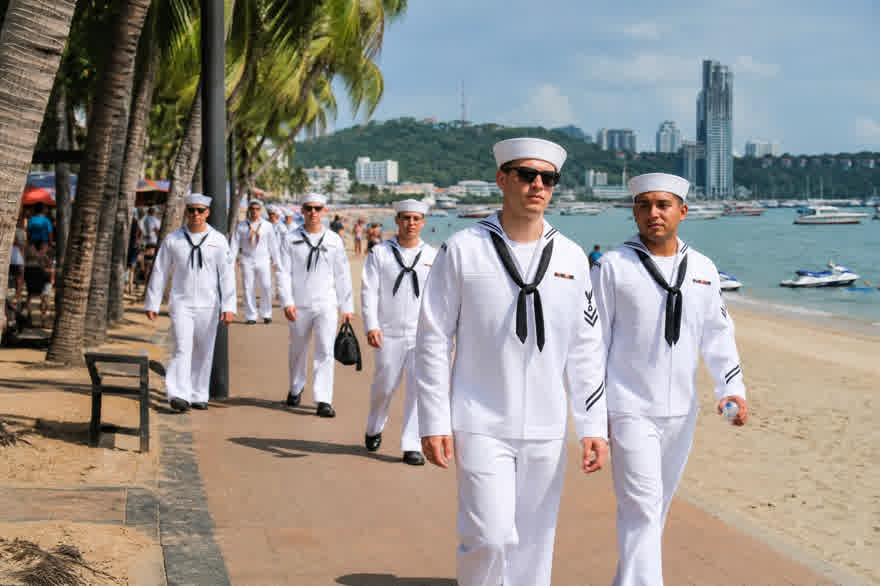
Thai officials stressed that the stop was for crew rest and recreation, not joint combat drills. For service members expected to circulate through Pattaya, four days ashore translate into something simple and scarce after nine months: hot meals that are not shipboard trays, a beach horizon that is not an endless ocean, and contact with a world that does not smell of jet fuel and salt.
What 286 days at sea really means
The number 286 is more than a trivia line. Extended deployments compress maintenance, sleep cycles, and morale into a pressure cooker. Reporting in the weeks before Thailand described worn paint and rust on the hull, supply headaches, and concern about mental health among the crew. Families and lawmakers had already begun asking whether modern carrier schedules were outrunning the human systems meant to sustain them.
None of that erases the strategic logic that kept Abraham Lincoln on station for so long. Aircraft carriers remain floating airfields and political signals; when a crisis stretches, so do the calendars of the people who staff them. But the Thai port call also reveals a quieter truth of naval power: alliances are not only treaties and exercises. They are piers that open, cities that absorb liberty parties, and host nations willing to welcome a tired crew without turning the visit into theater.
As Abraham Lincoln prepares to continue home toward San Diego, Laem Chabang will likely be remembered as the hinge between two chapters—one defined by combat-zone tempo, the other by the long transit back across the Pacific. For Thailand, hosting the strike group is a visible reminder of a decades-long security relationship. For the United States, it is proof that even the largest warships eventually need a harbor. And for the sailors walking down the brow after 286 days, it is simpler still: solid ground, warm air, and a few days that finally feel like leaving the sea behind.