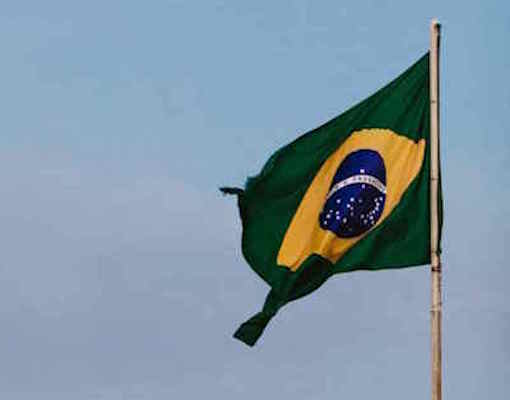
Last Sunday, around 159 million citizens in Latin America’s largest democracy were called upon to cast their votes for the nation’s highest office. The street scene in major cities like São Paulo reflected the country’s deep political divide: while supporters of President Lula’s left-wing Workers’ Party traditionally turned out in bright red, backers of the right-wing camp flocked to the polling stations wearing the national colors of yellow and green.
Election night dealt a severe blow to the incumbent head of state. Contrary to earlier polls, Lula missed out on the decisive victory he had hoped for and instead had to contend with a surprising surge by the right-wing opposition. It was not the imprisoned former president Jair Bolsonaro who ran as the lead candidate, but rather his 45-year-old son, Flávio Bolsonaro, who secured an unexpectedly strong result. However, since neither contender achieved an absolute majority of more than 50 percent of the vote, the final decision will now be made in a runoff election on October 25.