Topic of the day
The Panama Canal Water Crisis and Global Shipping

The Panama Canal is one of the world’s most important shortcuts for international shipping, connecting the Atlantic and Pacific Oceans without forcing ships to travel all the way around South America. But there is one thing the canal absolutely cannot do without: fresh water.
In 2026, declining water levels are once again creating problems for shipping. The Panama Canal depends heavily on freshwater from lakes such as Gatun Lake to operate its locks. When rainfall is low, authorities have to carefully manage the available water.
Why Is the Water Level Falling?
The developing El Niño weather pattern is increasing concerns about drought in the region. The Panama Canal Authority has already been reducing the maximum draft allowed for large vessels as part of its water-management strategy. A lower draft means ships cannot sit as deeply in the water, which can force heavily loaded vessels to carry less cargo.
This may sound like a technical shipping problem, but it can have surprisingly large consequences.
How Does It Affect Global Shipping?
When ships cannot carry as much cargo or have to wait longer for a transit slot, transportation becomes more expensive. Shipping companies may have to find alternative routes, reduce their loads, or compete for limited canal slots.
Recent reports have shown how expensive those slots can become. In August 2026, auction prices for Panama Canal transit slots reached exceptionally high levels as demand increased while water and shipping capacity remained under pressure.
And ships are not exactly famous for being cheap to reroute. Going around another route can mean additional fuel, extra sailing time, and higher operating costs.
Why Should Ordinary People Care?
The Panama Canal is part of a much bigger global supply chain. Ships carry everything from energy products and agricultural commodities to manufactured goods and consumer products.
When shipping costs increase, businesses may eventually pass some of those costs to customers. That can contribute to higher prices for goods, especially if several major shipping routes are experiencing disruptions at the same time.
The situation is particularly interesting because the canal is facing climate-related water pressure while other major maritime routes are dealing with geopolitical disruptions. That means shipping companies have fewer easy alternatives when something goes wrong.
Is This a New Problem?
Not exactly. The Panama Canal experienced serious water shortages during the 2023–2024 El Niño period, when authorities had to restrict ship traffic and manage vessel loads more carefully.
The current situation is a reminder that the canal’s future is closely connected to water availability. The canal is not simply a giant shortcut carved through Panama it is an enormous water-management system.
The Bottom Line
The Panama Canal water crisis shows how something as ordinary as rainfall can influence global trade.
Lower water levels can mean lighter ships, fewer available slots, longer waits, higher transportation costs, and potentially more expensive goods. As climate patterns become more unpredictable, water availability could become an increasingly important issue for one of the world’s busiest trade routes.
In other words, global shipping has discovered an inconvenient truth: even the biggest ships in the world still depend on a lot of water—and preferably the kind that falls from the sky.

Entertainment of the day

Cooking of the day
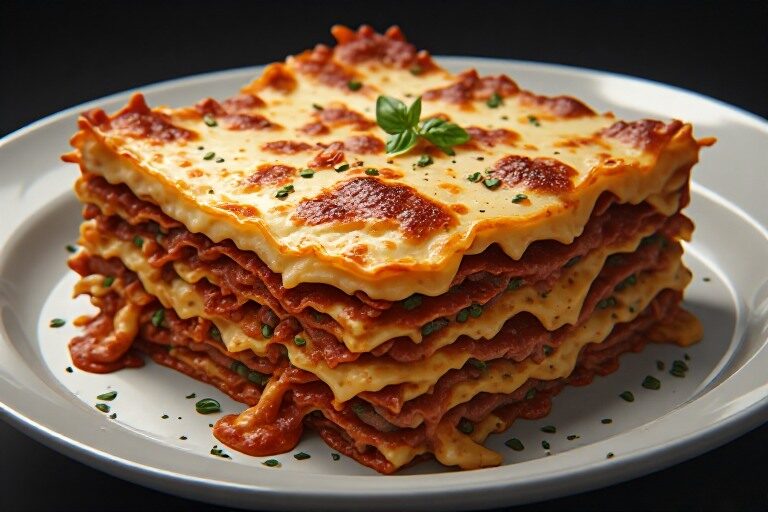
Classic Homemade Lasagna Recipe
Few dishes are as comforting as a bubbling tray of homemade lasagna. With layers of rich meat sauce, creamy cheese, tender pasta, and plenty of melted mozzarella, this classic recipe is perfect for family dinners, weekend meals, or whenever you want something hearty and satisfying.
Ingredients
For the Meat Sauce:
- 1 tablespoon olive oil
- 1 pound (450 g) ground beef
- 1 small onion, finely chopped
- 3 cloves garlic, minced
- 1 can (28 oz / 800 g) crushed tomatoes
- 2 tablespoons tomato paste
- 1 teaspoon dried oregano
- 1 teaspoon dried basil
- 1/2 teaspoon salt
- 1/4 teaspoon black pepper
- 1/2 teaspoon sugar, optional
For the Cheese Filling:
- 15 oz (425 g) ricotta cheese
- 1 egg
- 1/2 cup (50 g) grated Parmesan cheese
- 1 teaspoon dried Italian herbs
- 1/4 teaspoon salt
- 1/4 teaspoon black pepper
For Assembly:
- 9–12 lasagna noodles
- 2 cups (200 g) shredded mozzarella cheese
- 1/4 cup grated Parmesan cheese
How to Make Homemade Lasagna
Start by preparing the meat sauce. Heat the olive oil in a large pan over medium heat. Add the ground beef and cook until browned, breaking it apart with a spoon as it cooks. Add the chopped onion and cook for several minutes until softened. Stir in the garlic and cook for about 30 seconds.
Add the crushed tomatoes, tomato paste, oregano, basil, salt, pepper, and optional sugar. Stir everything together and let the sauce simmer for about 20–25 minutes. The sauce should become thick and flavorful.
While the sauce is cooking, prepare the cheese filling. Mix the ricotta, egg, Parmesan, Italian herbs, salt, and black pepper in a bowl until smooth and well combined.
Cook the lasagna noodles according to the package instructions if you are not using oven-ready noodles. Drain them and lay them flat so they do not stick together.
Assembling the Lasagna
Preheat your oven to 375°F (190°C). Spread a thin layer of meat sauce across the bottom of a 9-by-13-inch baking dish. Add a layer of lasagna noodles, followed by some of the ricotta mixture, meat sauce, and shredded mozzarella.
Repeat the layers until all the ingredients are used. Finish with a generous layer of meat sauce, mozzarella, and Parmesan on top.
Cover the dish loosely with aluminum foil and bake for about 25 minutes. Remove the foil and bake for another 15–20 minutes, or until the cheese is melted, golden, and bubbling around the edges.
Let the lasagna rest for 10–15 minutes before slicing. This gives the layers time to set and makes serving much easier.
Serving Tips
Serve your homemade lasagna warm with a simple green salad, roasted vegetables, or garlic bread. For extra flavor, sprinkle a little fresh basil or parsley over each serving.
The lasagna can also be prepared ahead of time and refrigerated before baking. Leftovers usually taste even better the next day and can be stored in the refrigerator for several days or frozen for longer storage.

Aysha – Lady of the day

Basic knowledge of the day