Topic of the day
Worldwide Wars: Understanding Today’s Global Conflicts
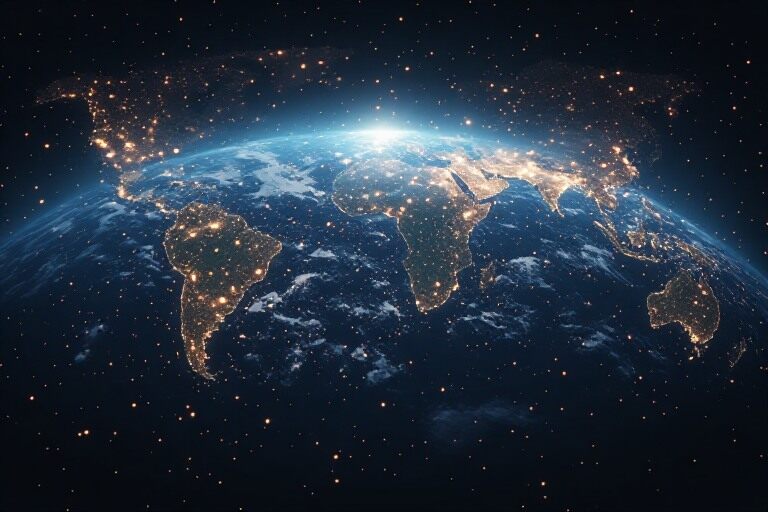
War continues to shape the lives of millions of people around the world in 2026. While some conflicts dominate international headlines, many others receive little attention despite causing immense human suffering. Behind every statistic are families forced to flee their homes, children growing up without access to education, communities struggling to rebuild, and humanitarian workers trying to deliver aid in dangerous conditions.
Although every conflict has its own history, they all share one heartbreaking reality: ordinary civilians often pay the highest price. Here is a closer look at some of the world’s most significant ongoing conflicts and why they continue to matter.
Ukraine War
The war between Russia and Ukraine traces its roots back to 2014, when Russia annexed Crimea and fighting erupted in eastern Ukraine. The conflict dramatically escalated in February 2022, when Russia launched a full-scale invasion across multiple regions of Ukraine.
Since then, entire cities have been damaged or destroyed, while millions of Ukrainians have fled to neighboring countries or become internally displaced. Schools, hospitals, apartment buildings, and energy infrastructure have all been affected by the fighting.
Military losses on both sides have been significant, while civilian casualties continue to rise as missile strikes and drone attacks affect populated areas. Beyond the battlefield, the war has disrupted global grain exports, increased energy prices, and influenced international politics, making it one of the most consequential conflicts of the decade.
Israel Iran Regional Conflict
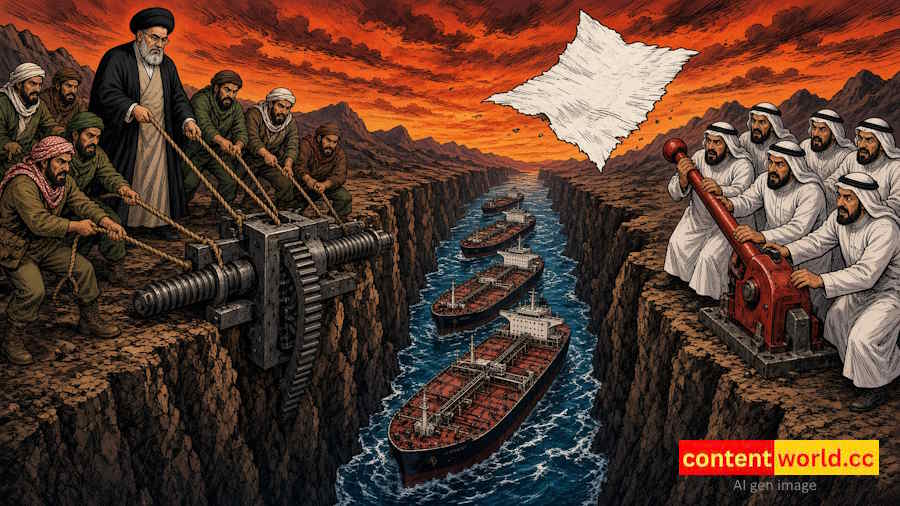
The conflict involving Israel and Iran intensified after October 2023, adding another layer of instability to an already volatile Middle East. Rather than a traditional war between two neighboring countries, the confrontation has involved direct military exchanges alongside a wider regional conflict that includes armed groups such as Hamas, Hezbollah, and the Houthis.
The humanitarian consequences have been severe across several countries. Fighting has damaged homes, hospitals, roads, and essential infrastructure while forcing countless families to evacuate. Civilians continue to experience shortages of food, electricity, clean water, and medical supplies in areas affected by ongoing violence.
The conflict also affects international shipping routes and regional trade, creating economic consequences that extend far beyond the Middle East.
Sudanese Civil War
Sudan descended into civil war in April 2023 after fighting broke out between the Sudanese Armed Forces (SAF) and the Rapid Support Forces (RSF). What began as a struggle for political and military control quickly evolved into one of the world’s largest humanitarian emergencies.
Entire neighborhoods have been devastated by urban warfare, while millions of people have been forced to flee their homes. Food shortages, disease outbreaks, and limited medical care have worsened the crisis, especially in isolated communities where humanitarian organizations struggle to reach those in need.
Many experts believe that hunger and disease may ultimately claim as many lives as the fighting itself, illustrating how the indirect effects of war can be just as deadly as armed conflict.
Myanmar Civil War
Myanmar entered a new phase of conflict following the military coup in February 2021, which overthrew the country’s elected government. The coup sparked nationwide resistance involving pro-democracy groups, ethnic armed organizations, and local defense forces.
Large areas of the country have experienced airstrikes, artillery attacks, and repeated clashes between military forces and resistance groups. Thousands of villages have been damaged or abandoned, forcing civilians to seek safety elsewhere.
The conflict has disrupted education, healthcare, and local economies, leaving millions of people dependent on humanitarian assistance while many communities remain isolated due to ongoing violence.
Democratic Republic of the Congo
Eastern Democratic Republic of the Congo has endured decades of armed conflict involving government forces and numerous rebel groups. Fighting intensified once again in 2022, particularly with the resurgence of the M23 rebel movement.
The region is rich in valuable natural resources such as cobalt, gold, and coltan—minerals that are essential for modern electronics and rechargeable batteries. Competition over these resources has fueled violence for many years, with armed groups often financing their operations through mining activities.
Communities living in eastern Congo continue to experience displacement, insecurity, and limited access to healthcare and education, while humanitarian organizations work under extremely challenging conditions.
Syrian Conflict
The Syrian conflict began in 2011 after protests against the government escalated into a prolonged civil war involving multiple domestic factions and foreign powers.
Although large-scale fighting has decreased compared with previous years, many parts of Syria remain unstable. Millions of Syrians continue to live as refugees or internally displaced persons, while damaged infrastructure slows reconstruction efforts.
Years of conflict have left lasting effects on education, healthcare, housing, and employment. Rebuilding entire communities will likely take many years, even if violence continues to decline.
Mexico’s Drug-Related Violence
Unlike conventional wars between nations, Mexico’s long-running conflict centers on organized criminal groups competing for control of drug trafficking routes. Since 2006, rival cartels and security forces have been involved in continuous violence across various regions.
Communities affected by cartel activity often face intimidation, kidnappings, extortion, and armed confrontations. The violence has placed enormous pressure on local law enforcement and judicial systems while affecting businesses, tourism, and everyday life.
Although different from traditional warfare, the scale of casualties has made this one of the deadliest prolonged security crises in the world.
Yemeni Civil War
Yemen’s civil war began in 2014, involving Houthi forces, the internationally recognized government, and several regional actors. Years of conflict have created one of the world’s most severe humanitarian crises.
Millions of Yemenis face food insecurity, while damaged healthcare systems have made it difficult to treat preventable diseases. Children have been particularly affected by malnutrition, interrupted education, and limited access to clean drinking water.
Even during periods of reduced fighting, humanitarian needs remain enormous because years of conflict have devastated the country’s economy and public services.
The Sahel Region
The Sahel, which includes countries such as Mali, Burkina Faso, and Niger, has experienced growing instability since 2012. Armed extremist groups linked to ISIS and al-Qaeda operate across vast areas where governments often struggle to maintain security.
Political instability, military coups, climate change, poverty, and weak institutions have all contributed to the crisis. Farmers have been forced to abandon their land due to insecurity, reducing agricultural production and increasing food shortages.
As violence spreads across rural communities, humanitarian organizations face enormous challenges delivering assistance to those most in need.
The Human Cost of Conflict
Although these conflicts differ in their causes, geography, and political dynamics, they share a common human story. War destroys homes, separates families, interrupts education, weakens healthcare systems, and leaves psychological scars that can last for generations. Millions of civilians continue to rely on humanitarian aid simply to survive.
Modern conflicts also have consequences far beyond national borders. They influence global food supplies, energy markets, migration patterns, international diplomacy, and economic stability. As the world becomes increasingly interconnected, the effects of war are felt not only by those living in conflict zones but also by communities across the globe.
Understanding these conflicts is not only about following world news it is about recognizing the experiences of millions of people whose daily lives have been transformed by violence and uncertainty. While lasting peace remains difficult to achieve, continued diplomatic efforts, humanitarian assistance, and international cooperation remain essential in reducing suffering and supporting long-term stability.

Entertainment of the day
The entertainment of the day is
My Hungry Girlfriend
a nice get-together for a quick lunch with my hungry girldfriend
What Would You Do If Someone Else’s Lunch Looked Better Than Yours?

Cooking of the day
Moist Chocolate Cake with Rich Chocolate Frosting

Most chocolate cakes are pretty easy to make – usually around 45–60 minutes from start to finish.
The secret to a really moist chocolate cake is using the right combination of cocoa powder, oil, milk, and hot water or coffee. The result is a soft, rich cake covered in smooth chocolate frosting. Basically, chocolate doing what chocolate does best.
Ingredients for the Chocolate Cake
1 ¾ cups all-purpose flour
¾ cup unsweetened cocoa powder
1 ½ cups granulated sugar
2 teaspoons baking powder
1 teaspoon baking soda
½ teaspoon salt
2 large eggs
1 cup milk
½ cup vegetable oil
2 teaspoons vanilla extract
1 cup hot water or hot brewed coffee
Ingredients for the Chocolate Frosting
½ cup unsalted butter, softened
⅔ cup unsweetened cocoa powder
3 cups powdered sugar
⅓–½ cup milk
1 teaspoon vanilla extract
A small pinch of salt
How to Make It
Preheat the oven to 175°C (350°F). Grease and lightly flour a 9-inch round or square cake pan.
In a large bowl, whisk together the flour, cocoa powder, sugar, baking powder, baking soda, and salt.
Add the eggs, milk, vegetable oil, and vanilla extract. Mix until everything is well combined. The batter will be fairly smooth.
Slowly pour in the hot water or hot coffee while mixing. The batter will become quite thin, but don’t panic – that’s exactly what you want for a moist chocolate cake.
Pour the batter into the prepared pan and bake for about 30–35 minutes, or until a toothpick inserted into the center comes out mostly clean.
Let the cake cool completely before frosting. Yes, waiting is annoying, but frosting a hot cake usually turns into a chocolate landslide.
Tips for Maximum Moistness
Use oil instead of only butter in the cake batter for a softer texture.
Hot coffee can make the chocolate flavor richer without making the cake taste strongly like coffee.
Do not overbake the cake. A few extra minutes can turn a moist cake into chocolate cardboard.
Let the cake cool completely before frosting.
Store leftovers in an airtight container so the cake stays soft.
Conclusion
For a delicious moist chocolate cake with rich chocolate frosting, you only need about 45–60 minutes. The cake is soft, deeply chocolatey, and covered in creamy frosting perfect for birthdays, celebrations, or simply those moments when you realize that life would be better with chocolate cake. 🍫🎂

Lady of the day

Today, nice greetings from Yoana – here at the Contentworld

and another image with Yoana – the Lady of the Day

We’re not ruling anything out—least of all running into Yoana here more often—but here, too:
Yoana

Basic knowledge of the day