Topic of the day
China’s Population Decline: What It Means for the Future

China is entering a major demographic transformation. After decades of rapid population growth, the country is now facing a shrinking population, fewer births, and a rapidly aging society. In 2025, China’s population fell for the fourth consecutive year, reaching about 1.405 billion, while births dropped to a record low of 7.92 million.
This change is much more than a simple population statistic. It could affect China’s economy, workforce, housing market, healthcare system, and position in the global economy for decades to come.
Why Is China’s Population Declining?
One of the biggest reasons is the country’s extremely low birth rate. China experienced decades of strict birth-control policies, most notably the one-child policy introduced in 1980. Although the policy was ended in 2015, its demographic effects continue today because smaller generations of women are now entering their childbearing years.
At the same time, having children has become increasingly expensive. Housing, education, childcare, and healthcare costs can make starting a family difficult, particularly in large cities. Later marriage and changing attitudes toward family size have also contributed to fewer births.
China’s population decline is therefore not simply the result of government policy. It is connected to broader economic and social changes that have occurred as the country has become more urbanized and developed.
A Rapidly Aging Society
Perhaps the biggest challenge is not simply having fewer people, but having a larger share of older people. China is aging rapidly as people live longer while fewer babies are born. UNFPA identifies sustained low fertility, rapid aging, and urbanization as interconnected demographic challenges facing the country.
This creates a difficult balance. A smaller working-age population may have to support a growing number of retirees through pensions, healthcare services, and family caregiving. China will need to expand elderly care while finding ways to keep people economically active for longer.
What Does It Mean for the Economy?
China’s economic rise was supported partly by its enormous workforce. Millions of workers moved from rural areas into cities and manufacturing centers, helping the country become a global production powerhouse.
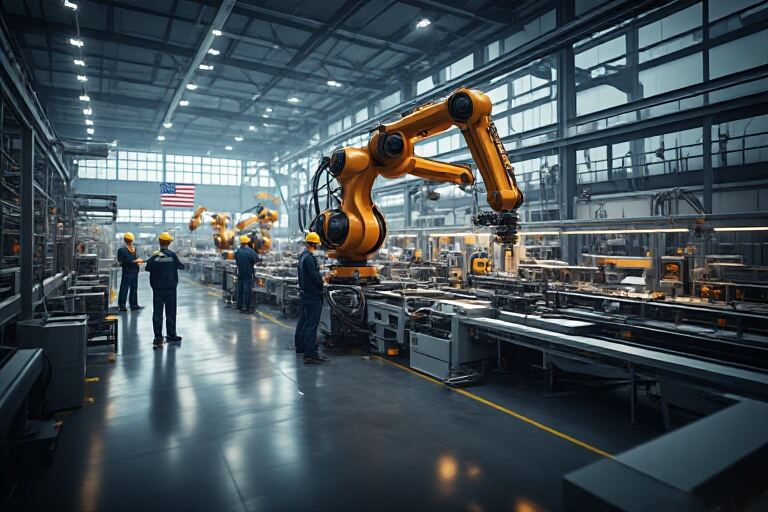
A shrinking workforce could make labor more expensive and force companies to rethink how they operate. Automation, robotics, artificial intelligence, and other technologies may become increasingly important as businesses try to maintain productivity with fewer workers.
The change could also reshape consumer demand. A younger population tends to spend heavily on education, housing, and products for families, while an older population creates greater demand for healthcare, pharmaceuticals, retirement services, and elderly care.
Housing and Cities Could Change
Population decline may also have major consequences for China’s cities. Areas that previously expected continuous population growth may eventually face weaker demand for homes and commercial properties.
Some cities could adapt by becoming smaller and more efficient, while others may struggle with vacant properties and declining local tax revenues. The impact will not be identical everywhere because China’s population is concentrated unevenly, with some major urban areas continuing to attract workers while smaller cities and rural regions lose residents.
Can China Reverse the Trend?
The Chinese government has introduced measures designed to encourage childbirth and make raising children more affordable. However, reversing demographic decline is difficult once fertility remains low for many years.
The United Nations estimates that China is likely to experience the largest absolute population loss of any country between 2024 and 2054, with a projected decline of about 204 million people.
Even a significant increase in fertility would not immediately reverse the trend because there are already fewer women entering reproductive ages. The United Nations notes that population momentum can keep populations shrinking even after fertility improves.
A Different Future for China
China’s population decline does not automatically mean economic collapse. A smaller population can bring certain advantages, including reduced pressure on housing, infrastructure, and natural resources. The key challenge will be adapting institutions and the economy to a society that is older and smaller.
China may increasingly depend on productivity rather than simply having more workers. Better technology, higher-skilled employment, improved healthcare, stronger elderly-care systems, and policies that make family life more affordable could all play important roles.
The demographic shift will also have consequences beyond China’s borders. Because China is one of the world’s largest economies and trading nations, changes in its workforce, consumption, manufacturing capacity, and investment patterns could affect global supply chains and international markets.
China’s population decline is therefore not just a story about fewer people. It is a story about how an entire society is changing. The country that once became famous for its enormous and rapidly growing workforce is entering a new era in which aging, automation, productivity, and quality of life may matter more than population size itself.
How successfully China adapts to this transformation could become one of the defining economic and social questions of the coming decades.

Entertainment of the day
Real Cooking
and below, also cooking …

Cooking of the day

Creamy Mushroom Risotto
Creamy mushroom risotto is the kind of comforting dish that tastes fancy but is surprisingly simple to make. Arborio rice slowly cooked with mushrooms, onion, garlic, broth, Parmesan, and butter creates a rich and creamy meal that works beautifully as a main dish or a side.
Ingredients
- 1 1/2 cups Arborio rice
- 8 oz (225 g) mushrooms, sliced
- 1 small onion, finely chopped
- 3 cloves garlic, minced
- 4 cups (950 ml) vegetable or chicken broth
- 2 tablespoons olive oil
- 2 tablespoons butter
- 1/2 cup (120 ml) dry white wine, optional
- 1/2 cup (50 g) grated Parmesan cheese
- 1 teaspoon dried thyme
- 1/2 teaspoon salt
- 1/4 teaspoon black pepper
- Fresh parsley, for serving
How to Make Mushroom Risotto
Warm the broth in a saucepan over low heat and keep it hot while preparing the risotto. Keeping the broth warm helps the rice cook evenly without slowing down the cooking process.
Heat the olive oil and one tablespoon of butter in a large pan over medium heat. Add the sliced mushrooms and cook for about 5–7 minutes until they are golden and tender. Remove the mushrooms from the pan and set them aside.
Add the remaining butter to the same pan. Stir in the chopped onion and cook for 3–4 minutes until softened. Add the garlic and cook for another 30 seconds.
Add the Arborio rice and stir for about 1–2 minutes. The rice should become lightly toasted around the edges. If using white wine, pour it in and stir until most of the liquid has been absorbed.
Begin adding the warm broth one ladle at a time. Stir frequently and allow the rice to absorb most of the liquid before adding more. Continue this process for approximately 18–25 minutes, until the rice is tender but still has a slight bite in the center.
Make It Creamy
Stir the cooked mushrooms and dried thyme into the risotto. Add the Parmesan cheese and the remaining butter, then season with salt and black pepper to taste.
The finished risotto should be creamy and loose rather than dry or stiff. If it becomes too thick, add a small splash of warm broth and stir until it reaches the desired consistency.
Serving the Risotto
Spoon the risotto into warm bowls and finish with extra Parmesan and freshly chopped parsley. Serve immediately while it is creamy and hot.
For an extra special version, you can add sautéed spinach, peas, roasted garlic, or a small drizzle of truffle oil. A simple green salad or roasted vegetables also make excellent accompaniments.
With its creamy texture and rich mushroom flavor, this homemade risotto is an easy way to turn a few basic ingredients into a satisfying and elegant meal.

Lady of the day
Akira from Hungary with a nice smile



Thank you Akira, for this photoshoot …

Basic knowledge of the day